























Key Takeaways
- Start with protection: A quality soft top and door accessories keep you comfortable in any weather and make open-air driving feel effortless, not risky.
- Organize your interior early: Seat covers, grab handles, and purpose-built storage solutions prevent wear and keep your gear secure from day one.
- Prioritize safety over style: Bumpers, rock rails, and upgraded lighting protect your Jeep on the trail and improve visibility on every road.
- Build your recovery kit before you need it: Basic recovery gear and a winch let you explore with confidence, knowing you can handle the unexpected.
- Skip the big stuff for now: Lift kits and oversized tires can wait until you understand how your Jeep handles and what your driving actually demands.
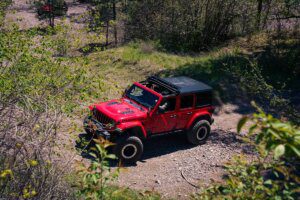
Congratulations on joining the Jeep Wrangler family. You have just picked up one of the most capable and customizable vehicles on the road, and the possibilities for making it yours are nearly endless. If you are searching for the best jeep wrangler mods for beginners, you are in the right place.
Here is the thing about owning a Wrangler: it is built to take you further, whether that means open-air cruising on a sunny afternoon or tackling your first trail. The right upgrades unlock that potential without overcomplicating things. This guide walks you through 12 must-have upgrades that protect your investment, improve your comfort, and get you trail-ready, all without requiring advanced mechanical skills or a massive budget.
Every mod on this list earns its spot by solving a real problem that first-time Jeep owners face. Let’s start with the upgrades that matter most.
Protection and Weather: Your First Priority
The best first mods for a Jeep Wrangler focus on protection and weather readiness. A quality soft top, well-fitted door accessories, and durable floor liners form the foundation that makes every other upgrade more enjoyable. These three upgrades protect your interior, seal out the elements, and let you switch between open-air freedom and all-weather confidence in minutes.
Upgrade Your Soft Top
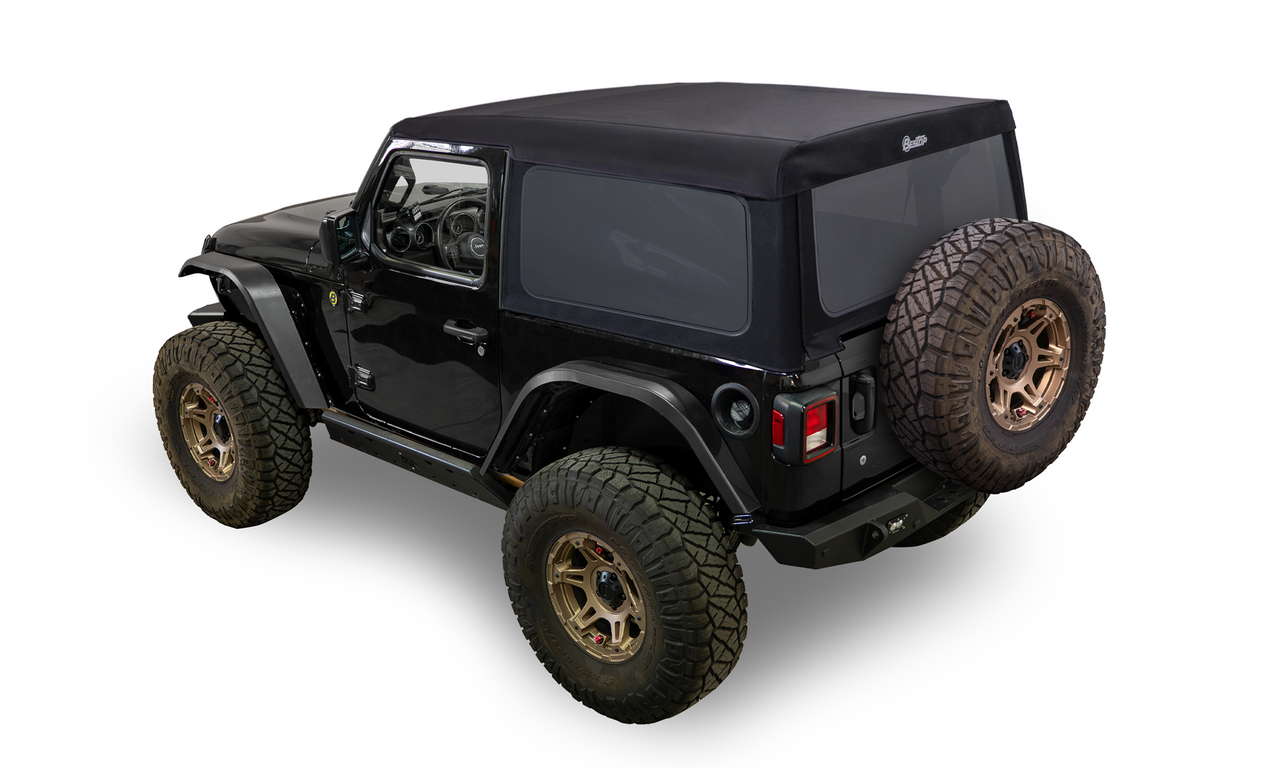
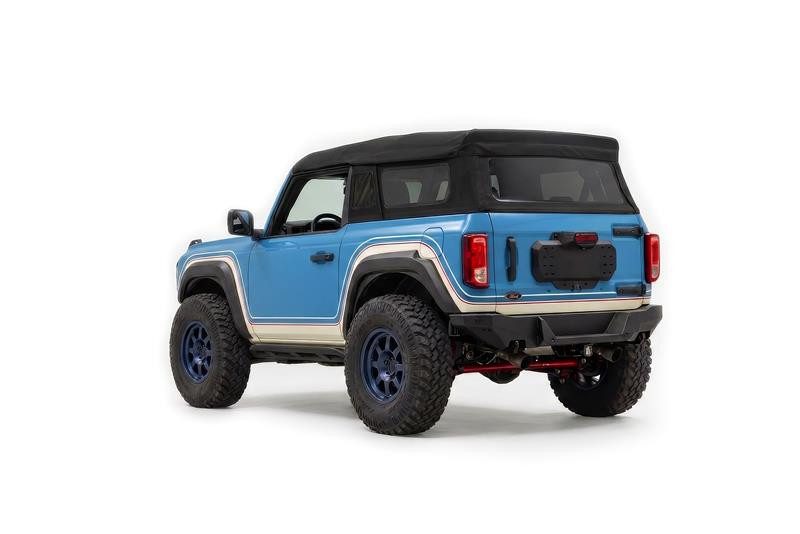
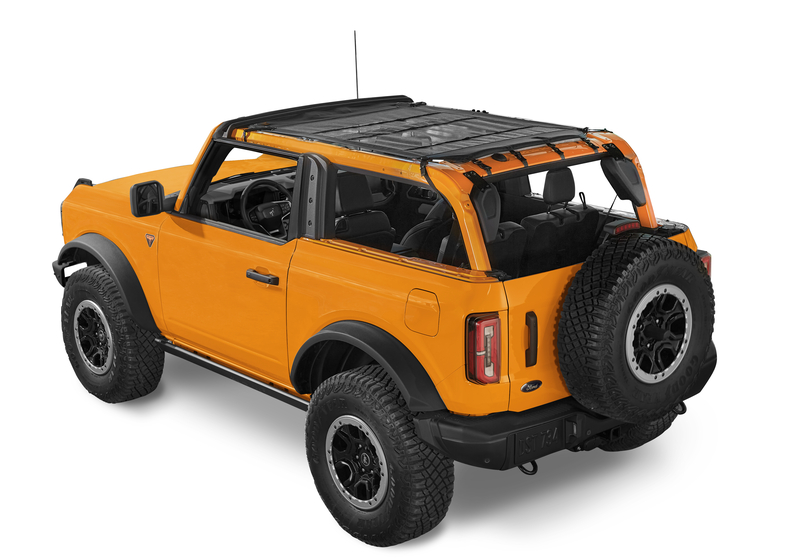
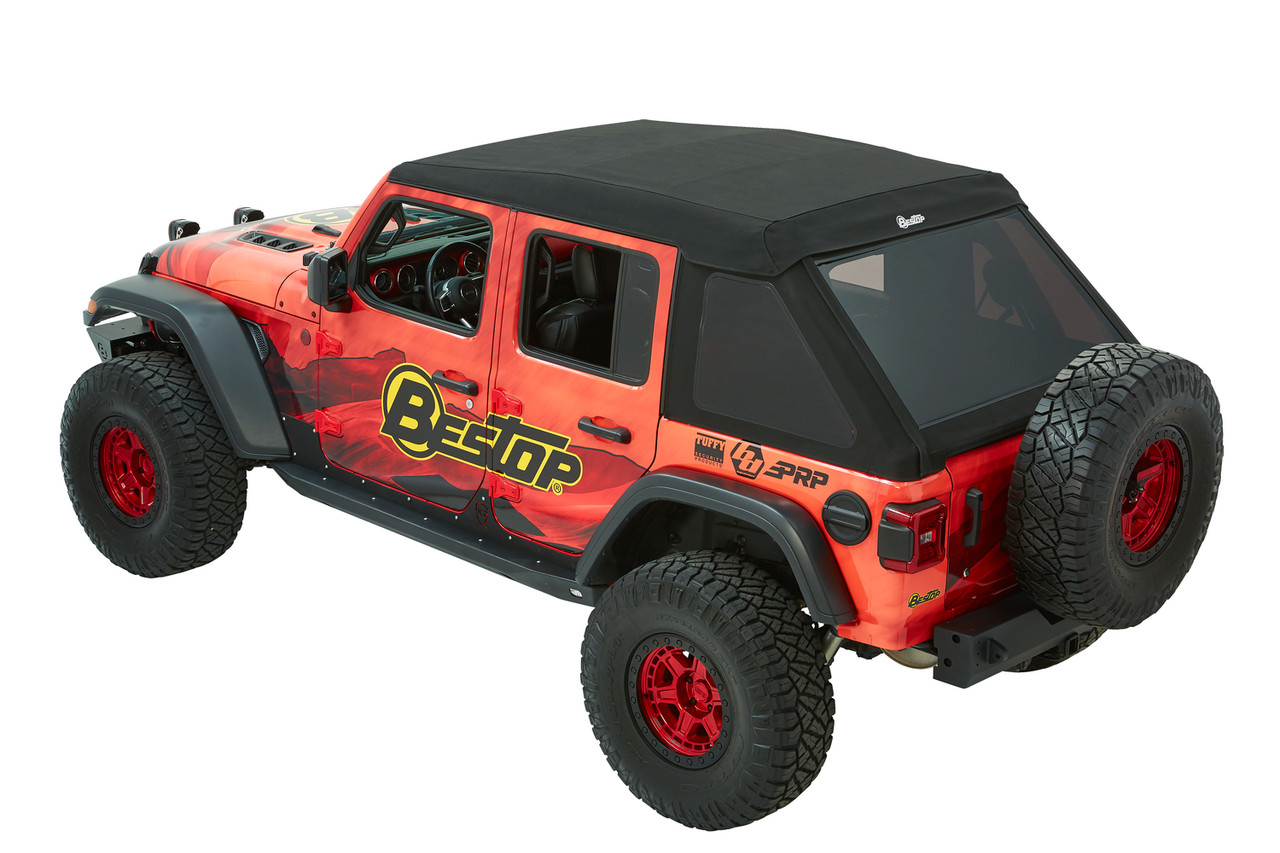
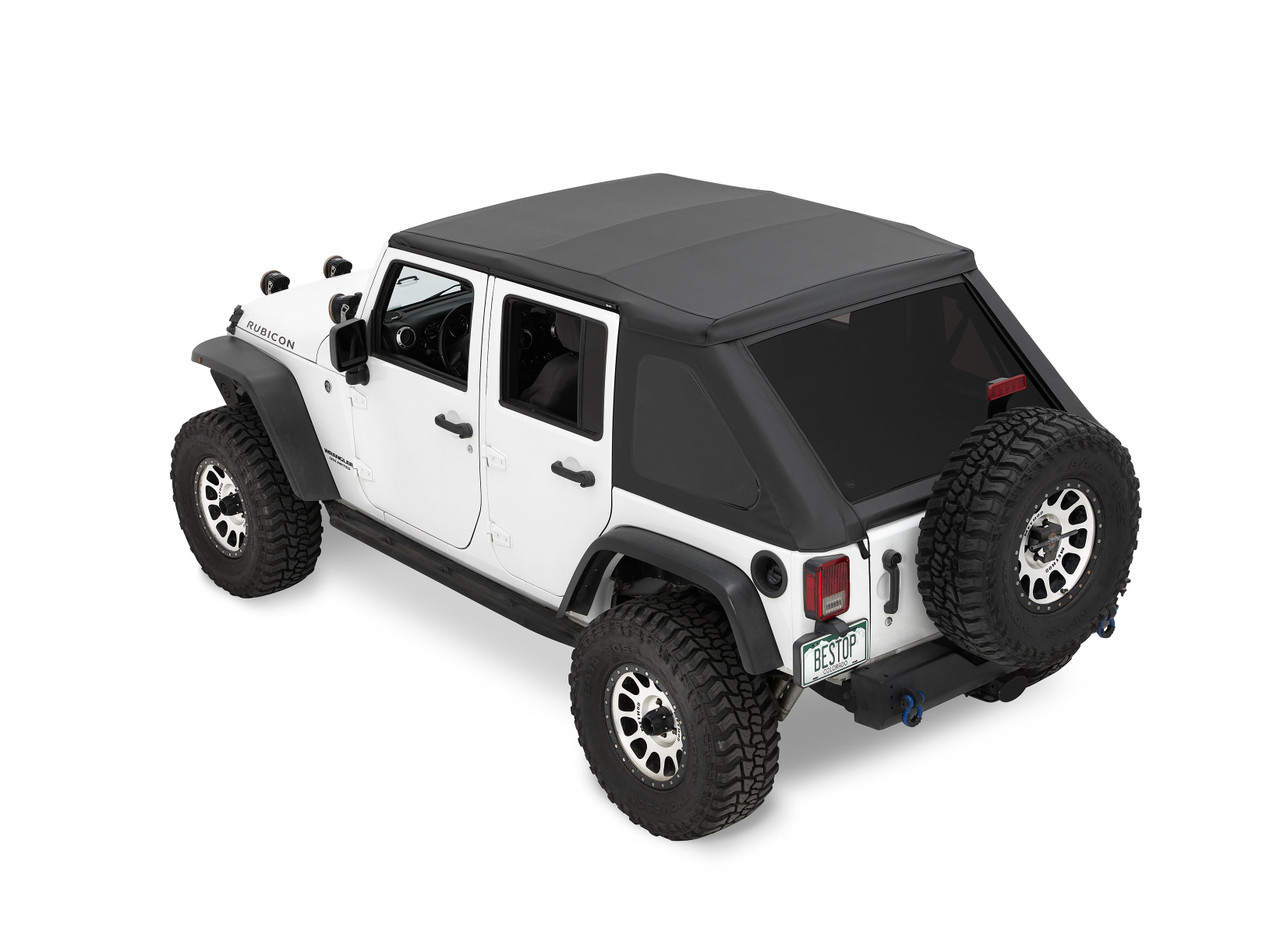
Your soft top is the single most impactful upgrade you can make as a new Wrangler owner. It defines how you experience open-air driving and how well your Jeep handles rain, cold, and highway noise. A factory-installed top gets the job done, but purpose-built aftermarket options from Bestop’s soft top lineup deliver better materials, tighter seals, and features that make daily driving more enjoyable.
Here are the styles worth knowing:
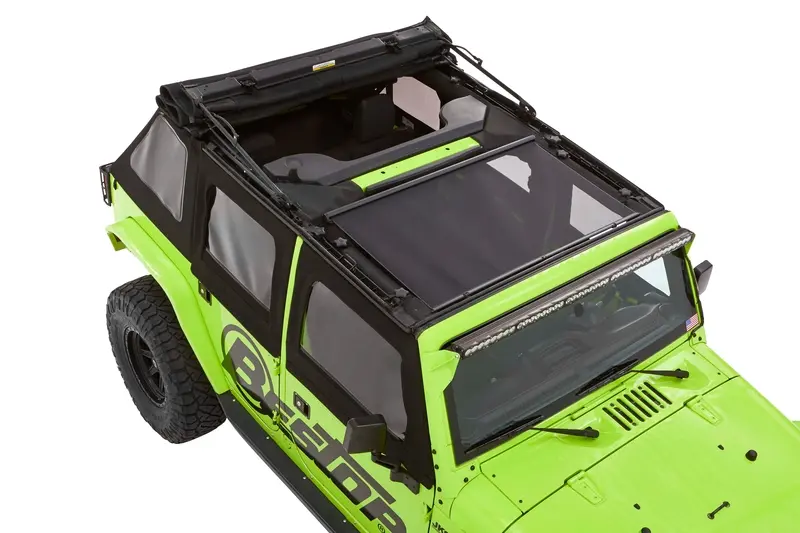
- Trektop NX: A fastback-style soft top with a built-in Sunrider opening feature that lets you flip back the front section for quick open-air driving. It typically installs without drilling and gives your Wrangler a clean, streamlined look.
- Supertop NX: A full-frame soft top with separate, removable windows. This is the go-to choice if you want maximum flexibility to configure your top for different conditions.
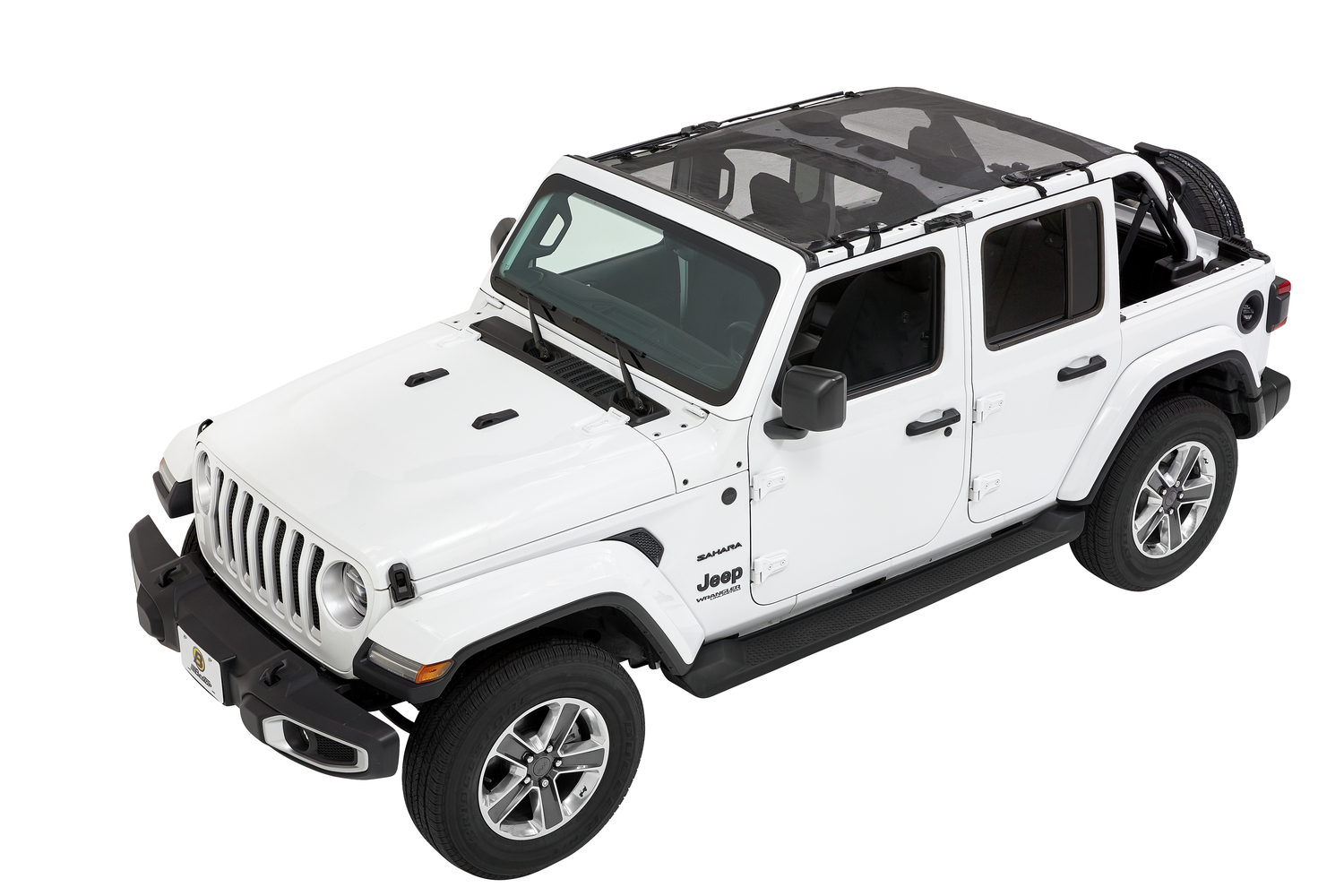
- Sunrider: Think of it as a sunroof for your Wrangler. The Sunrider flips back to open the front section of your top in seconds, without removing anything. It is ideal for drivers who want open-air access on every commute, not just planned adventures.
- Replace-A-Top: If your current soft top’s fabric is worn but the frame is still solid, a replacement top lets you refresh the look and seal quality without buying a whole new system.
Bestop has been the OEM soft top supplier for Jeep for more than three decades. That same engineering, fit, and fabric quality goes into every aftermarket top they build. If you are not sure which style fits your Wrangler, the Soft Top Wizard on Bestop’s website offers a helpful starting point. For exact fitment confirmation, use the YMM (Year/Make/Model) fitment tool or reach out to Bestop’s customer service team.
For a visual walkthrough of a Bestop soft top installation, watch this guide:
Add Fabric Doors or Door Accessories
Open-air driving is one of the best parts of Wrangler ownership, but taking your full doors off and storing them safely can be a hassle. Fabric doors and door accessories give you a middle ground. Fabric half-doors or door surrounds let the breeze in while keeping some structure and security in place.
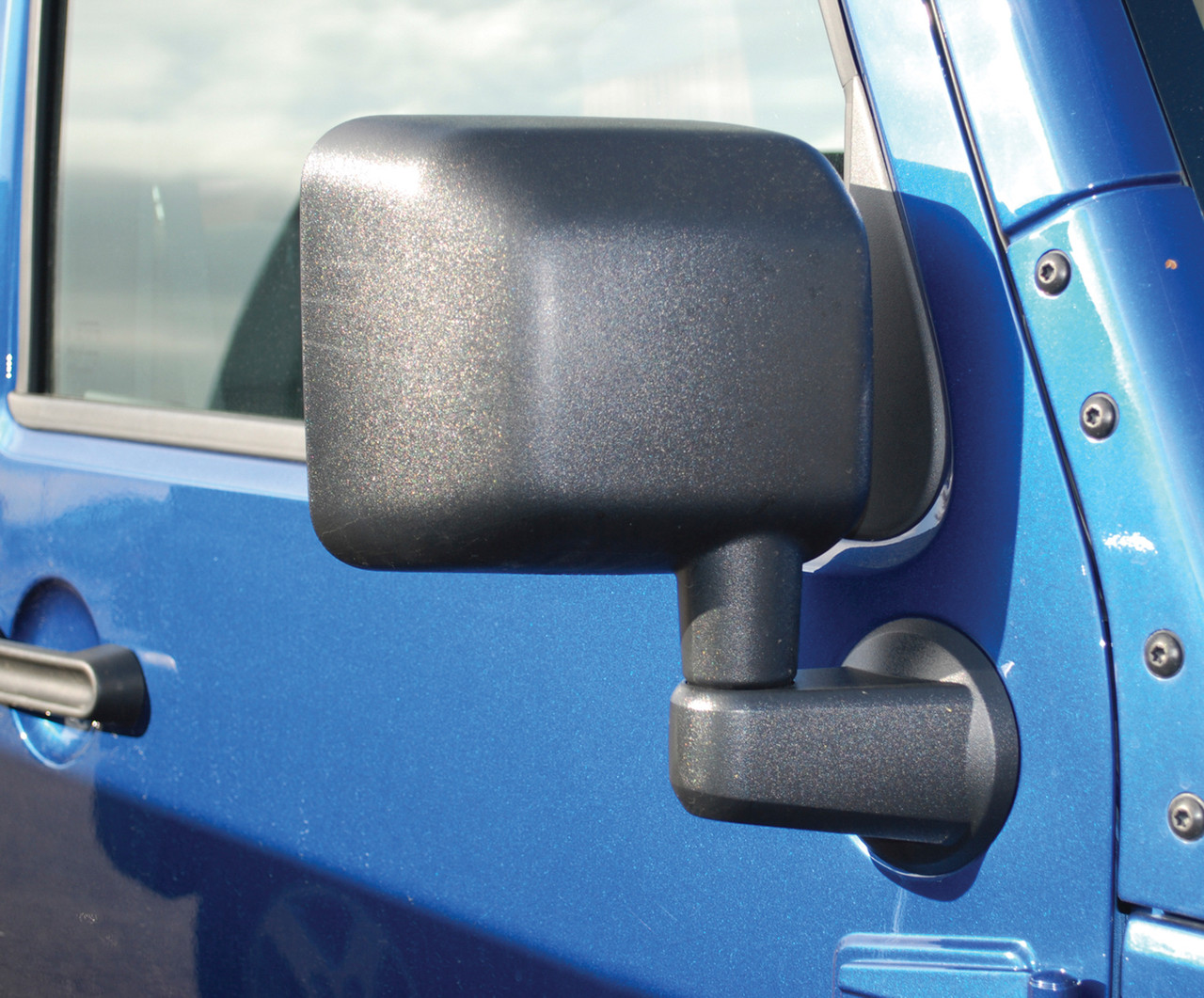
Door accessories also include practical upgrades like improved door hinges, mirror relocation brackets (required in many states when you remove full doors), and storage solutions that mount to your door panels. These small additions make the doors-off experience more practical for everyday use.
Floor Liners and Mats
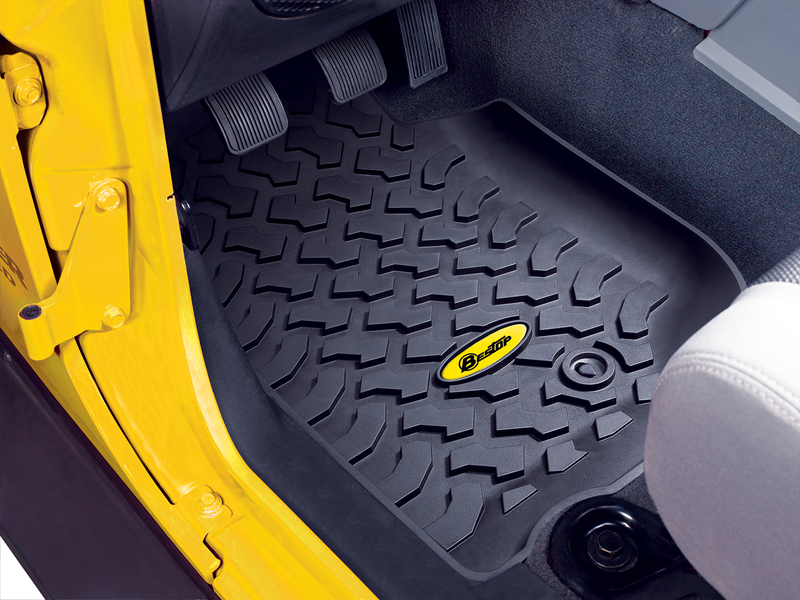
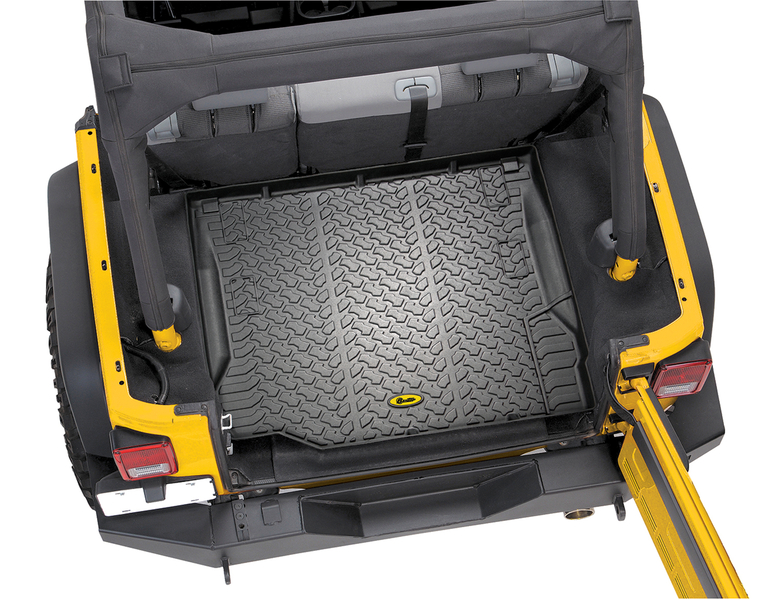
Once you start driving with the top down or the doors off, your interior will see dirt, water, and mud. Quality all-weather floor mats and cargo liners catch everything and rinse clean in minutes. Look for liners with raised edges and a secure fit that prevents shifting. This is an inexpensive mod that saves your carpet and keeps your Jeep’s resale value intact.
Interior Comfort and Organization
First-time Jeep owners need accessories that keep the cabin comfortable and organized, especially if the Wrangler doubles as a daily driver. Seat covers, grab handles, and dedicated storage turn a rugged interior into a space that works for commutes, road trips, and trail runs alike.
Seat Covers
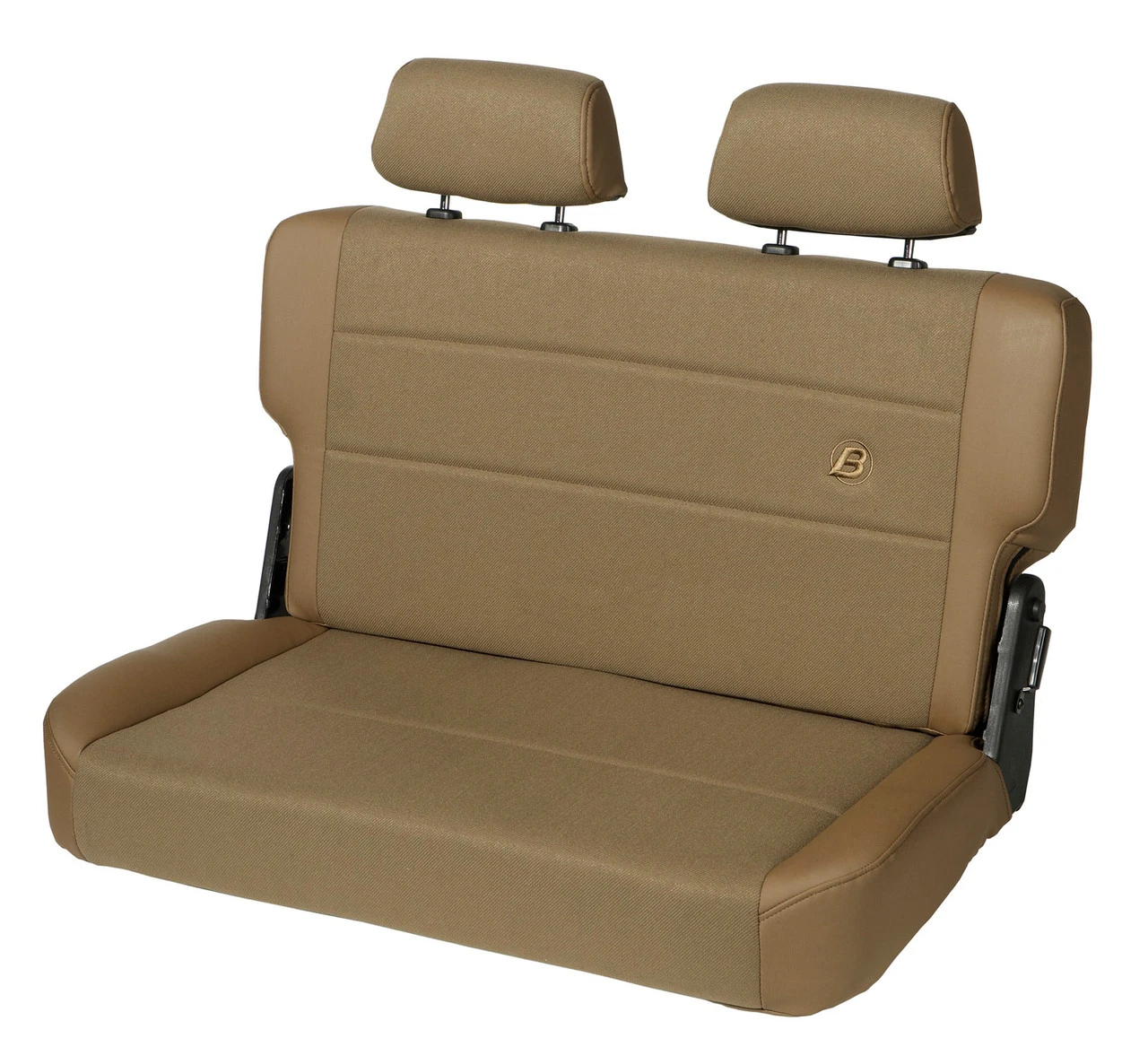
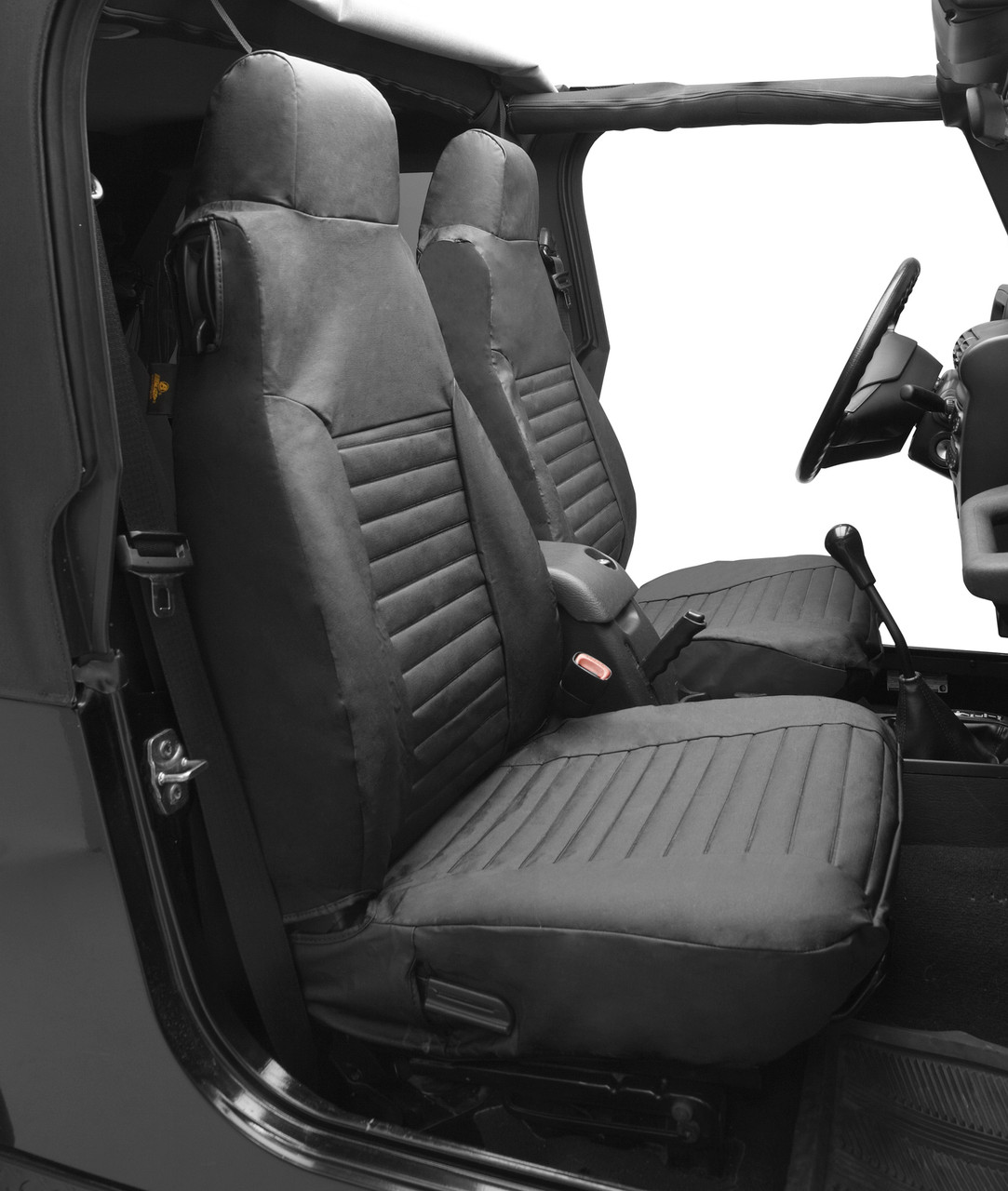
Your Wrangler’s seats take a beating from UV exposure, trail dirt, wet gear, and everyday use. Neoprene or heavy-duty fabric seat covers protect the factory upholstery while adding comfort. Look for covers designed specifically for your Wrangler’s model year so they fit snugly around headrests, armrests, and seat adjusters without interfering with airbag deployment.
Grab Handles
If you plan to hit the trail (and you should), upgraded grab handles give your passengers something solid to hold onto over rough terrain. Factory grab handles are functional, but aftermarket options typically offer better grip, padding, and mounting security. They are one of the simplest installs on this list and make a noticeable difference in passenger confidence.
Storage and Cargo Solutions
The Wrangler’s interior is not exactly built for organization. Gear shifts around, smaller items disappear under seats, and the cargo area can feel like a free-for-all after a day on the trail.
Bestop builds storage and security solutions specifically for Wrangler interiors:
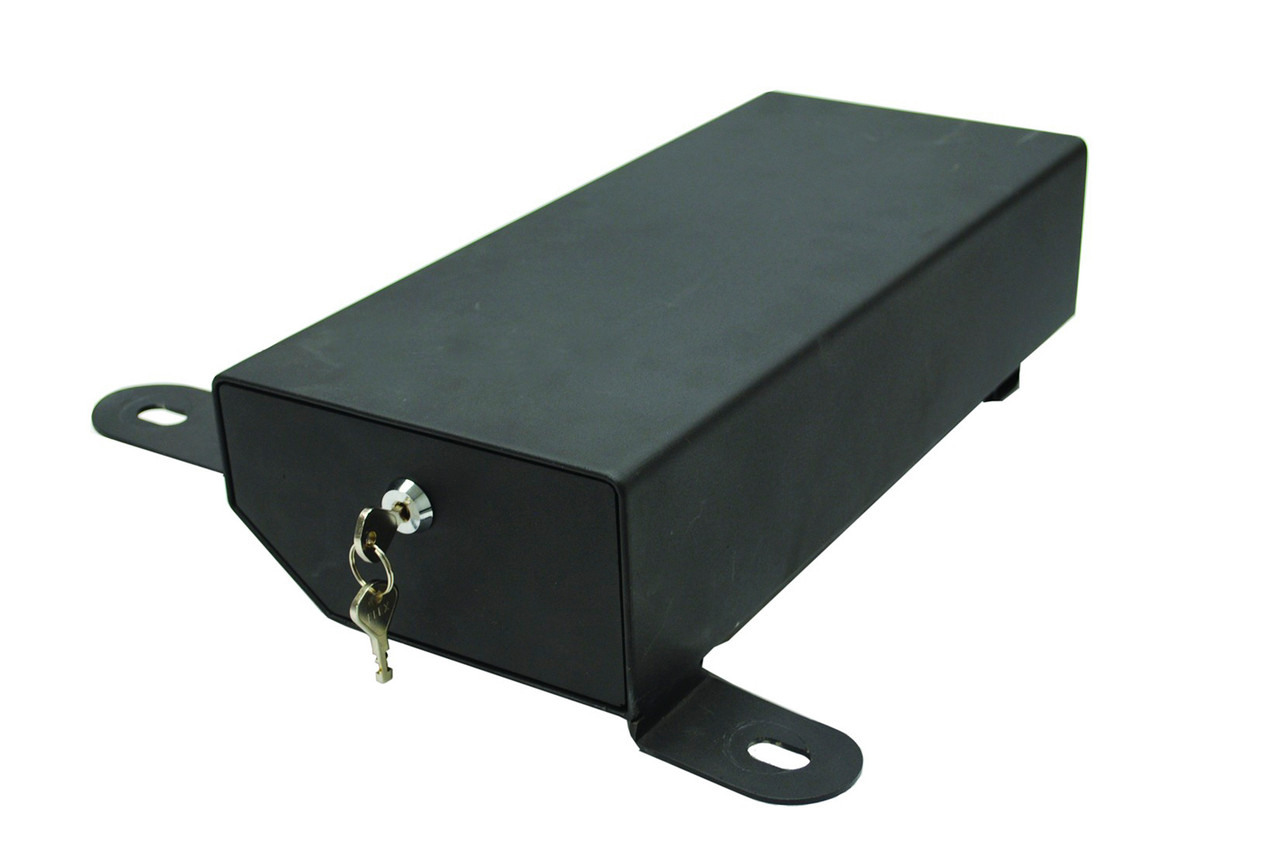
- Roughrider Organizer: A purpose-built storage system that keeps tools, recovery gear, and daily essentials organized and accessible. It is designed to fit the Wrangler’s cargo dimensions without wasting space.
For rear cargo management, Bestop’s cargo racks and trays and rear cargo deck covers help you organize larger gear and keep items secure when you are driving with the windows or top removed.
Exterior Protection and Safety
Before you take your Wrangler off-road, protect the body and undercarriage with upgrades designed to handle impacts, rock scrapes, and trail hazards. Quality exterior protection pays for itself the first time a rock meets your rocker panel.
Front and Rear Bumpers
Factory bumpers prioritize parking-lot aesthetics over trail durability. Aftermarket steel bumpers, typically built from heavy-gauge steel, offer better approach and departure angles, integrated recovery points, and mounting provisions for a winch or auxiliary lights. Start with the front bumper if your budget is limited, as it takes the most abuse on the trail.
Rock Rails or Side Steps
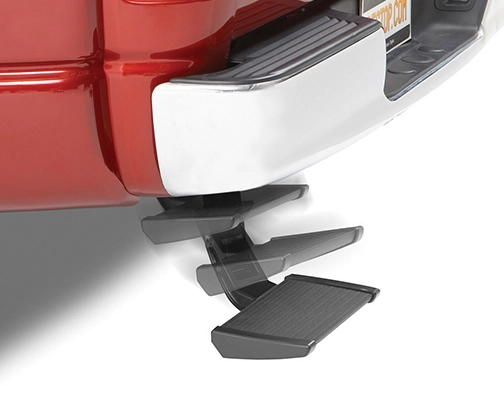
Rock rails bolt to the frame and shield your rocker panels from rocks, stumps, and trail debris. They also double as a step to help you and your passengers climb into a lifted or stock-height Wrangler. If you plan to do any off-roading, rock rails are a higher priority than running boards or side steps designed purely for street use.
Replacement Hood Latches
The Wrangler’s factory hood latches are a known weak point. They can rattle loose on rough trails, and some owners report hoods popping open at highway speeds. Upgraded hood latches with positive locking mechanisms typically run under $100 and take minutes to install. It is a small investment for significant peace of mind.
Lighting and Visibility
Upgrading your Wrangler’s lighting improves safety on and off the road. Better headlights make nighttime highway driving safer, while auxiliary lights open up trail riding after dark.
LED Headlights
Replacing your factory halogen headlights with LED units is one of the most popular Jeep upgrades for good reason. LEDs produce a brighter, whiter light with better throw and definition, making it easier to spot obstacles, trail markers, and wildlife. Most LED headlight kits are designed as direct replacements that fit your factory housing. Check that any LED kit you choose is DOT-compliant for legal road use.
Off-Road Light Bars and Pods
Light bars mount to your bumper, windshield frame, or A-pillars and flood the trail with light. Smaller LED pods offer targeted lighting for specific areas like your front fenders or rear cargo area. For premium off-road lighting built for the trail, Baja Designs offers a full range of off-road light bars and pods that fit the Jeep Wrangler. Start with a modest setup (a small light bar or a pair of pods) and expand as you learn where you actually need more light based on your driving.
Keep in mind that light bars and pods are typically for off-road use only. Many states have laws restricting their use on public roads, so check your local regulations and install covers or switches that let you stay compliant.
Trail Readiness: Recovery Gear Essentials
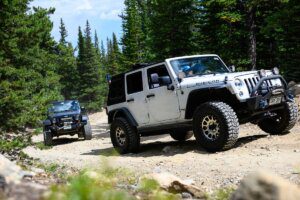
Every Jeep owner who ventures off-road needs recovery gear. It is not a question of if you will get stuck, it is a question of when. The right recovery equipment lets you handle those moments calmly and safely, whether you are pulling yourself out or helping a fellow driver.
Recovery Kit Basics
Build a basic recovery kit before your first trail run. At a minimum, your kit should include:
- Recovery strap or kinetic rope: A stretchy strap (not a tow strap) that absorbs shock during a pull. Look for a minimum 20,000-pound rating for Wrangler recovery.
- D-ring shackles: Heavy-duty shackles connect your recovery strap to a tow point. Soft shackles made from synthetic rope are a popular alternative because they are lighter and safer if they break under load.
- Gloves: Protect your hands when handling straps, winch cables, and muddy recovery points.
- Traction boards: Placed under your tires, these give you grip on sand, mud, or snow when you are stuck.
Store your recovery kit in an accessible location. A Bestop Roughrider Organizer works well for keeping this gear secure and easy to reach.
Winch
A winch is the single most effective recovery tool you can own. It lets you pull yourself out of situations where no amount of traction boards or rocking will work. For a Wrangler, look for a winch rated at a minimum of 1.5 times your vehicle’s gross weight (typically 9,500 to 10,000 pounds for most Wranglers, with heavily modified or overland-loaded builds warranting up to 12,000 pounds). Synthetic winch line is lighter and safer to handle than steel cable.
A winch requires a bumper with a winch plate or mount, so plan these two upgrades together if your budget allows.
What to Skip as a Beginner
New Jeep owners should avoid lift kits and oversized tires until they understand their specific driving needs and are ready to invest in the supporting modifications those upgrades require. Not every popular mod belongs on a beginner’s list. Some upgrades introduce complexity, cost, or trade-offs that are better handled once you have more seat time in your Wrangler.
- Lift kits: A lift changes your Wrangler’s center of gravity, steering geometry, and driveline angles. Unless you have specific off-road clearance needs, drive your Wrangler at stock height for a season before committing to a lift. You will have a much better understanding of what height and suspension setup matches your actual driving.
- Oversized tires without re-gearing: Larger tires look great, but they stress your drivetrain, reduce acceleration, and can cause premature wear on your transmission and axles if you do not re-gear your differentials to compensate. This is an expensive secondary mod that many beginners do not budget for.
- Axle swaps and lockers: These are performance upgrades for experienced off-roaders who have outgrown their factory axles. Your stock axles and open differentials are more capable than you might expect for beginner and intermediate trails.
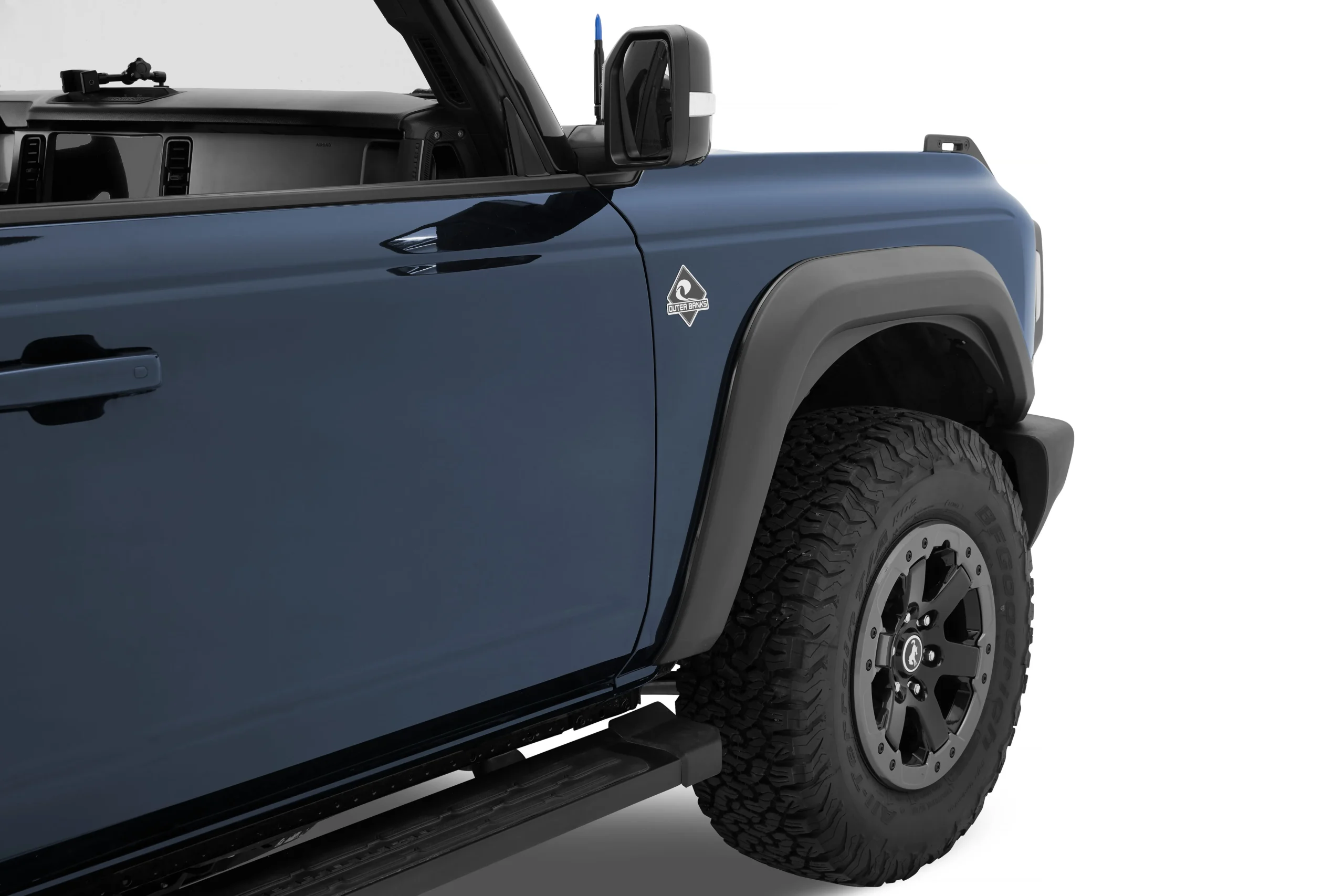
- Aggressive fender flares (without the tires to match): Wide fender flares on stock tires look incomplete and serve no functional purpose. Wait until you are ready for larger tires before changing your fenders.
The best approach for beginners is to drive first, modify second. Let your experience on the trail tell you what your Wrangler actually needs.
How Much Do Beginner Jeep Mods Cost?
Beginner Jeep mods cost anywhere from $50 for simple accessories to over $2,000 for premium soft tops or winch setups. The total depends on which upgrades you prioritize and whether you handle installation yourself. Here is a general breakdown to help you plan your budget.
| Upgrade Category | Typical Price Range | Priority Level |
| Soft top (aftermarket) | $800 – $2,500+ | High |
| Floor liners | $50 – $200 | High |
| Seat covers | $100 – $400 | Medium |
| Grab handles | $25 – $75 | Low |
| Storage solutions | $50 – $300 | Medium |
| Front bumper (steel) | $400 – $1,500 | Medium |
| Rock rails | $200 – $800 | Medium |
| Hood latches | $30 – $100 | Low |
| LED headlights | $100 – $400 | Medium |
| Light bar or pods | $50 – $500 | Low |
| Recovery kit (basic) | $75 – $250 | High |
| Winch | $300 – $1,200 | Medium |
Budget-friendly starting point: Floor liners, seat covers, grab handles, and a basic recovery kit can be done for under $500 total. These four upgrades protect your interior and prepare you for the trail without a major investment.
Mid-range build: Add a quality aftermarket soft top, a steel front bumper, and LED headlights, and your total typically lands between $1,500 and $3,500 depending on the brands and features you choose.
Full beginner build: All 12 upgrades on this list can typically be completed for $3,000 to $7,000, with the soft top and winch/bumper combination accounting for the largest share of that budget.
Start Building Your Wrangler the Right Way
Your Jeep Wrangler is built for more than pavement. The upgrades on this list help you unlock that potential safely and confidently, starting with the mods that matter most for protection, comfort, and trail readiness.
Whether you are looking for a soft top that makes open-air driving part of your daily routine, storage that keeps your gear organized, or the confidence to tackle your first trail, the right first upgrades set the tone for everything that follows. Explore Bestop’s full lineup of soft tops, door accessories, and storage solutions to find the upgrades that fit your Wrangler and your lifestyle.
Frequently Asked Questions About Jeep Wrangler Mods for Beginners
New Jeep owners often have the same questions about getting started with modifications. Here are the most common ones, answered directly.
What Are the Best First Mods for a Jeep Wrangler?
The best first mods for a Jeep Wrangler focus on protection and comfort: a quality soft top replacement, all-weather floor liners, seat covers, and grab handles. These upgrades improve daily driving while preparing your Wrangler for open-air adventures without requiring mechanical expertise or a large budget.
What Accessories Does a First-Time Jeep Owner Need?
First-time Jeep owners need weather protection (a reliable soft top and floor liners), interior organization (a cargo trunk organizer), safety upgrades (grab handles and LED headlights), and a basic recovery kit with tow straps and D-rings. These accessories cover everyday use and light trail readiness.
What Soft Top Should I Get for My Jeep Wrangler?
For most beginners, a Bestop Trektop NX or Supertop NX offers the best combination of ease of use, weather protection, and value. If you want quick open-air access, the Sunrider line lets you flip the front panel back without removing the entire top. Use the YMM fitment tool to confirm compatibility with your specific model.
How Much Do Beginner Jeep Mods Cost?
A well-rounded set of beginner Jeep mods typically costs between $1,500 and $4,000 total. Individual upgrades range from $30 for grab handles to $800 or more for a premium soft top. Floor liners are an affordable upgrade in the $50 to $200 range, while seat covers and LED headlights typically run $100 to $400 and deliver noticeable improvements.
Should I Lift My Jeep Wrangler as a Beginner?
Most experienced Jeep owners recommend waiting on a lift kit until you understand your specific driving needs. A lift affects ride quality, handling, and fuel economy, and it often requires additional modifications like new shocks, control arms, and re-gearing. Focus on protection and comfort mods first.
What Are the Unspoken Rules of Jeep Ownership?
The Jeep community follows several traditions: always return the “Jeep wave” to fellow Wrangler drivers, help other Jeep owners stuck on the trail, and avoid over-modifying before you learn your vehicle’s capabilities. Start with practical upgrades and let your driving experience guide your build priorities.
Do I Need Recovery Gear for My Jeep Wrangler?
Yes, every Jeep Wrangler owner should carry a basic recovery kit, even for light trail use. At minimum, pack a tow strap, D-ring shackles, work gloves, and a tire repair kit. A winch is optional for beginners but becomes essential if you plan to tackle more challenging off-road terrain solo.