























Key Takeaways
- Yes, you can use a Jeep soft top in winter. Modern multi-layer soft tops are engineered for year-round performance, including freezing temperatures, snow, and ice.
- Premium four-season soft tops like the Bestop Trektop Ultra and Supertop Ultra feature factory-quality seals and insulation designed to handle cold weather confidently.
- The temperature difference between a quality soft top and a hard top is typically smaller than most drivers expect, especially with your Jeep or Bronco’s heater running.
- Proper winter maintenance (gentle snow removal, zipper care, fabric protection) keeps your soft top performing for years in harsh conditions.
- Bestop’s OEM-trusted engineering means your soft top is built to the same standards Jeep relies on from the factory.
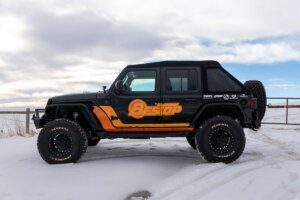
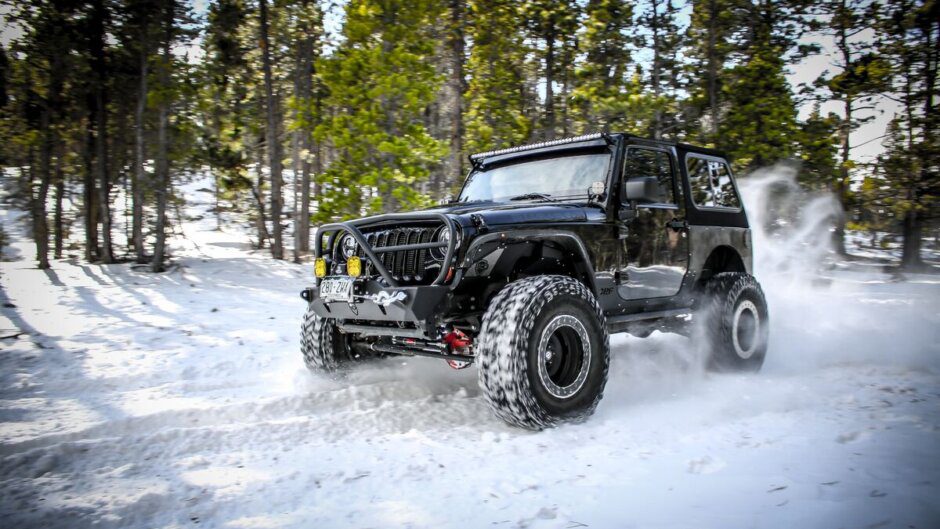
Winter should never be a reason to park your Jeep or Bronco. Whether you are heading out on a snow-covered trail or just commuting through freezing rain, your soft top is designed to handle it. The question is not really whether you can use a Jeep soft top in winter. It is how to get the most out of it when the temperatures drop.
Since 1954, Bestop has been building soft tops, more than 70 years of engineering fabrics, seals, and window systems that perform in all four seasons. In this guide, you will learn how modern soft tops handle cold weather, which tops are best suited for winter driving, and how to care for your top so it lasts through every season.
Can You Use A Soft Top In Winter?
Yes, you can use a Jeep soft top in winter. Modern Jeep soft tops are built with multi-layer fabric, factory-grade seals, and insulated window systems that keep out rain, snow, and cold air. A quality soft top from a trusted manufacturer like Bestop is engineered for four-season use, and thousands of Jeep and Bronco owners drive with soft tops through harsh winters every year.
The short answer is a confident yes. Soft tops have come a long way from the thin, drafty covers of decades past. Today’s premium soft tops use layered construction with materials that resist cold-weather stiffening while maintaining a tight seal against the elements. When paired with your Jeep or Bronco’s heating system, a well-fitted soft top keeps the cabin comfortable even when the thermometer dips well below freezing.
The key factor is quality. A soft top built with OE-grade materials and precision-engineered seals will perform dramatically better in winter than a bargain option with loose fitment and thin fabric. This is where the manufacturer matters. Bestop has been the sole supplier of factory soft tops for Jeep Wranglers since 1986, and it also builds soft tops designed specifically for the Ford Bronco, engineered to OEM-grade precision. That same level of engineering goes into every product in the lineup.
How Soft Tops Handle Cold Weather
Understanding what makes a soft top perform in cold weather starts with how they are built. Premium soft tops use a multi-layer fabric construction that creates a barrier between the cabin and the elements. The outer layer sheds water and resists UV damage. Interior layers add structure and insulation. Together, they reduce heat loss and block wind infiltration.
Seals are the other critical piece. The connection points between your soft top and your Jeep or Bronco’s body, windshield header, and doors determine how much cold air gets inside. Factory-quality seals compress tightly against the vehicle’s surfaces, creating a weather barrier that holds up through temperature swings. Loose or worn seals are the number one reason drivers experience cold drafts with a soft top, not the fabric itself.
What about temperature compared to a hard top? Bestop put this question to the test in their Truth Squad series, measuring actual cabin temperatures with both top types. The results showed that the difference is typically smaller than most people assume. With the heater running, a well-sealed soft top keeps the cabin within a few degrees of a hard top in normal winter driving conditions.
Wind noise can increase slightly with a soft top at highway speeds in cold weather, but this is more about wind chill perception than actual cabin temperature. At city and trail speeds, the difference is minimal.
Best Soft Tops For Winter Driving
Not all soft tops are created equal when it comes to winter performance. If you plan to drive year-round with a soft top, look for these features in a four-season soft top:
- Multi-layer fabric construction for insulation and durability
- Tight-fitting, factory-quality seals that resist cold-weather contraction
- Durable window systems with good visibility and secure fastening
- Cold-weather-tested materials that do not become brittle or stiff in freezing temperatures
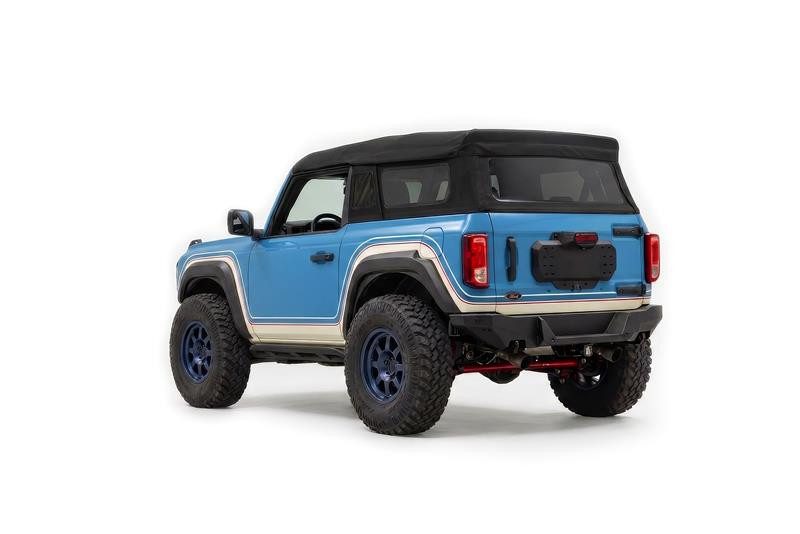
Here are four Bestop options that typically deliver strong winter performance. Check your specific model for fitment details. These examples highlight Jeep tops, but Bronco owners have comparable Bestop soft top options, so browse the full soft top lineup to find the right match for your rig.
Trektop Ultra Slantback
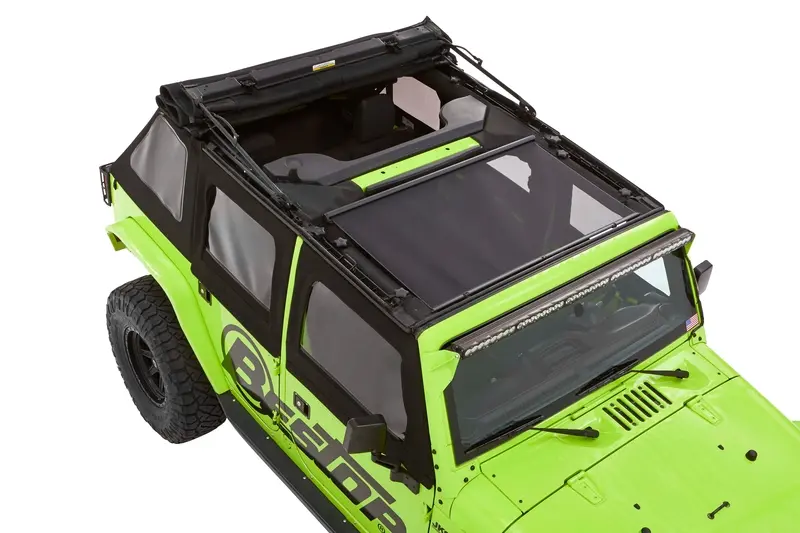
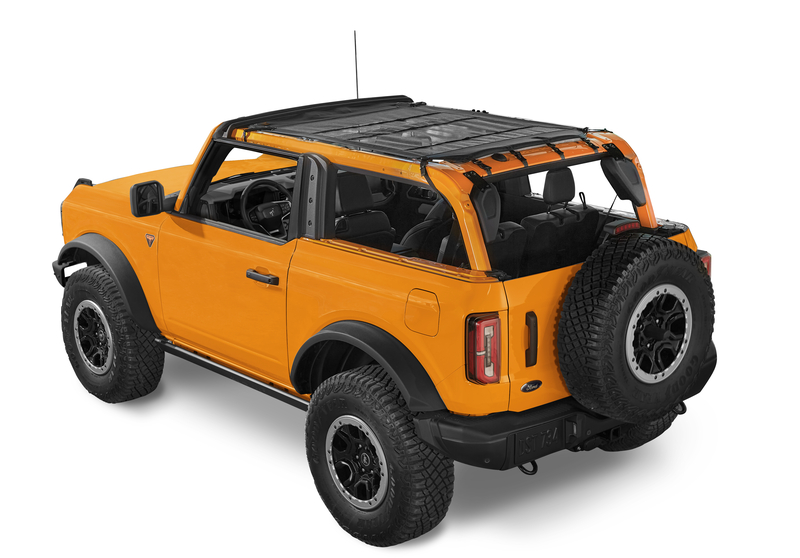
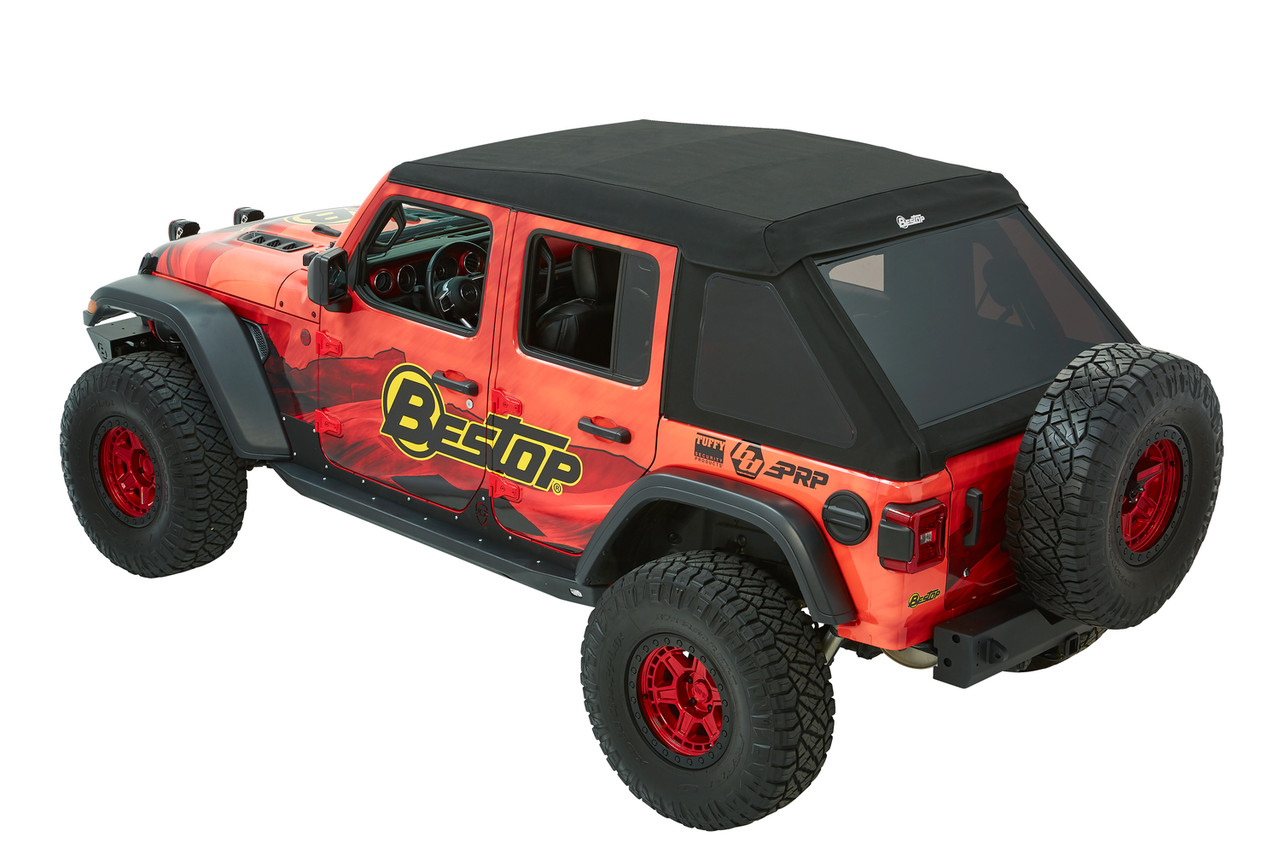
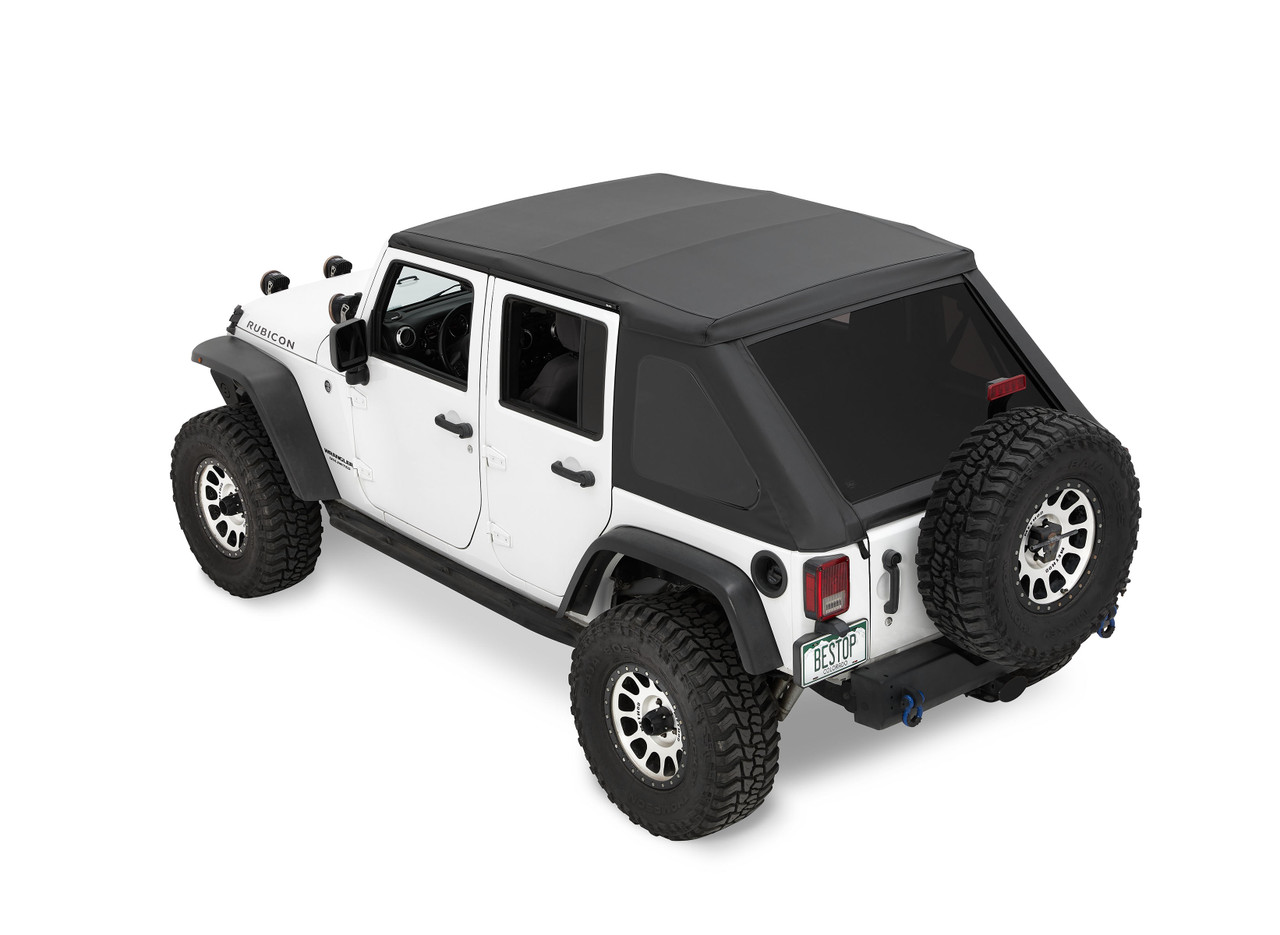
The Trektop Ultra Slantback is Bestop’s flagship frameless soft top, featuring patented Guide-Track retraction and Lift Assist for effortless operation. Its 30-oz triple-layer acrylic twill fabric and integrated Sunrider panel make it a true four-season soft top. The frameless fastback design delivers clean sightlines while the insulated construction keeps cold air out. This is the top to consider if you want year-round performance without compromising style.
Supertop Ultra Squareback
The Supertop Ultra Squareback brings the same Guide-Track and Lift Assist technology to Bestop’s classic squareback design. The fully framed structure provides maximum coverage and a tight seal at every connection point. In winter, the rigid frame helps maintain consistent contact with your Jeep or Bronco’s body, reducing gaps where cold air might enter. If you prioritize full-enclosure protection for cold-weather driving, the Supertop Ultra is worth a close look.
Trektop Slantback
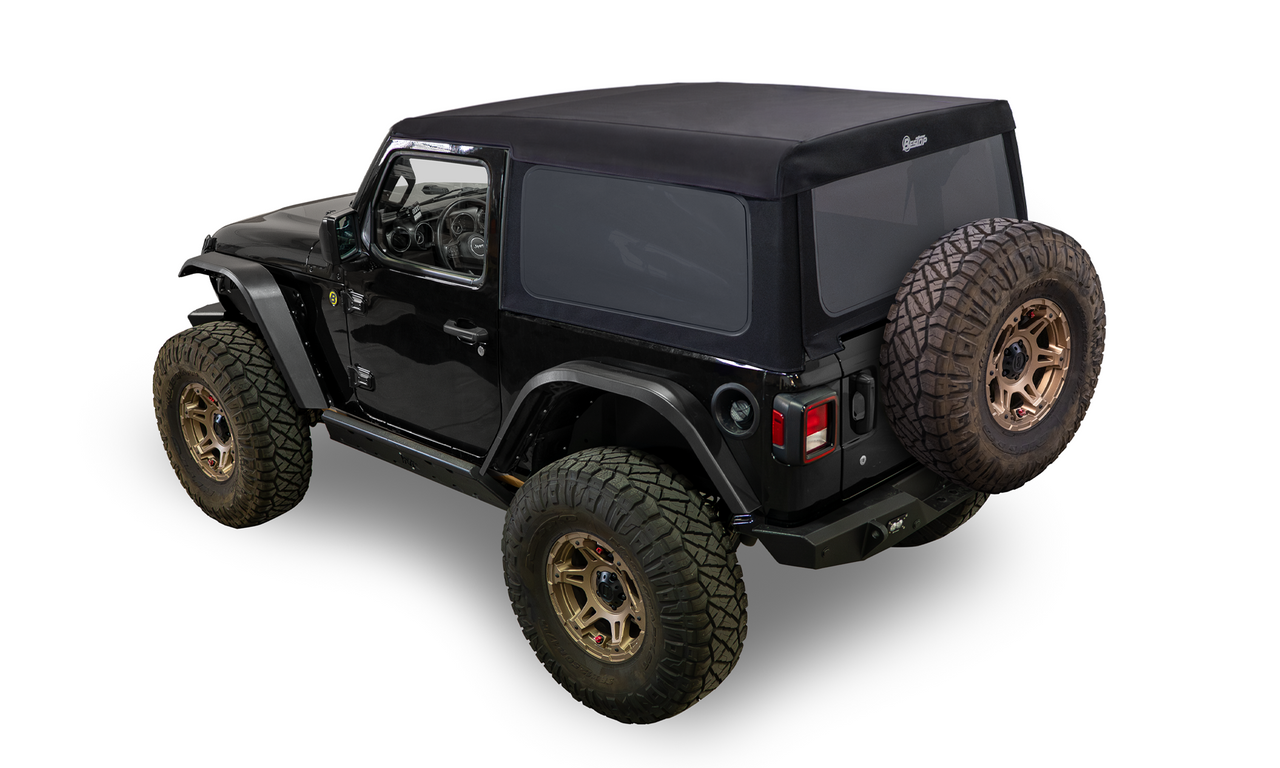
The Trektop Slantback offers Bestop’s modern fastback silhouette at a more accessible price point. It still delivers the layered fabric construction and quality seals that matter most for winter driving. The Trektop NX and NX Glide variants provide solid cold-weather performance for drivers who want a capable year-round soft top without stepping up to the Ultra tier.
Sunrider For Hardtop
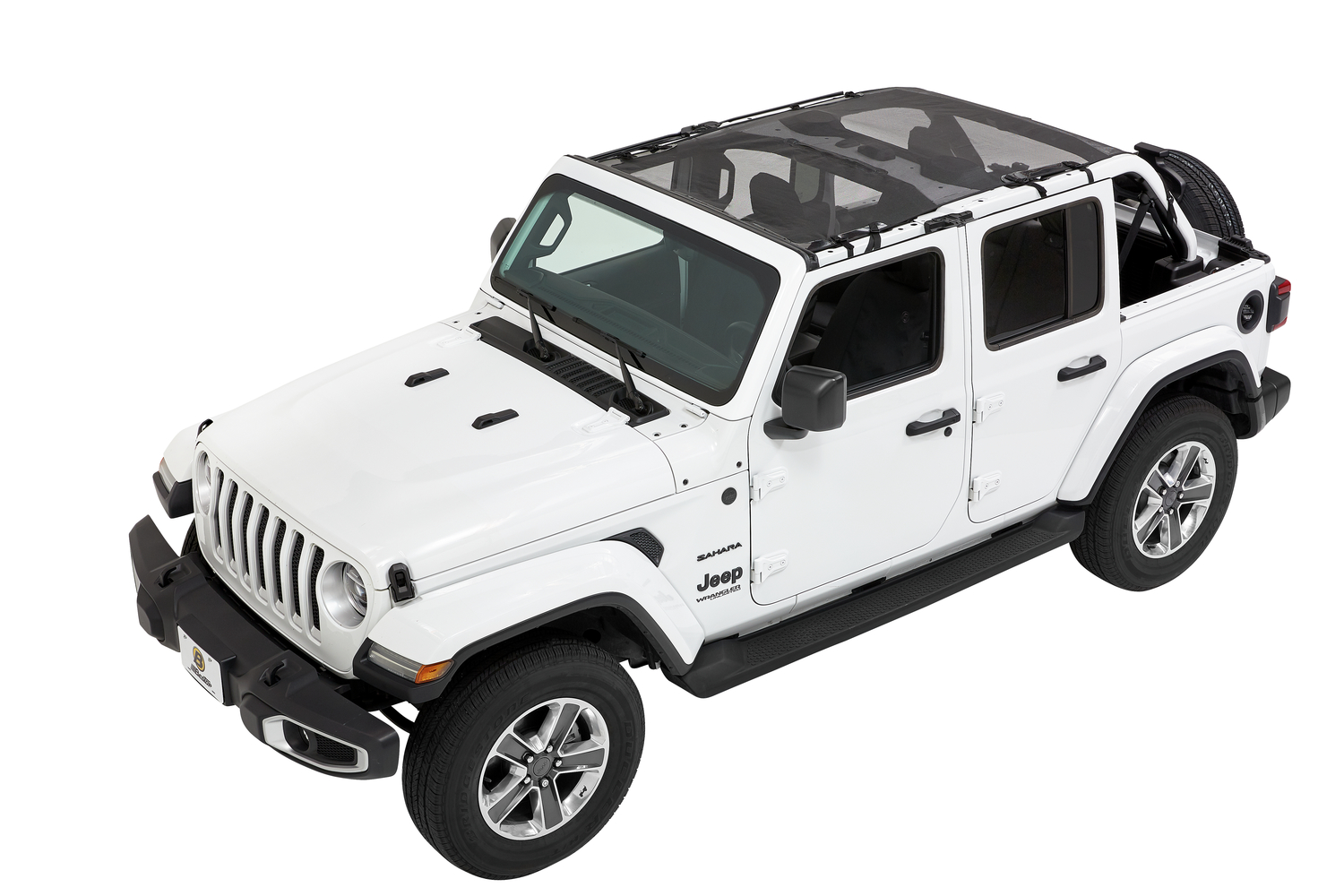
Already running a hard top? The Sunrider for Hardtop replaces your factory Freedom Panels with a soft panel that flips back in seconds for open-air access. In winter, it sits flush and sealed like a standard hardtop panel. When spring arrives, you get instant convertible flexibility without removing, storing, or swapping anything. It is the ideal hybrid option for owners who want winter hard top security with warm-weather freedom built in.
Winter Soft Top Care And Maintenance Tips
Your soft top will deliver years of reliable winter performance with some straightforward care. These maintenance habits make the biggest difference when the temperature drops.
Before Winter Arrives
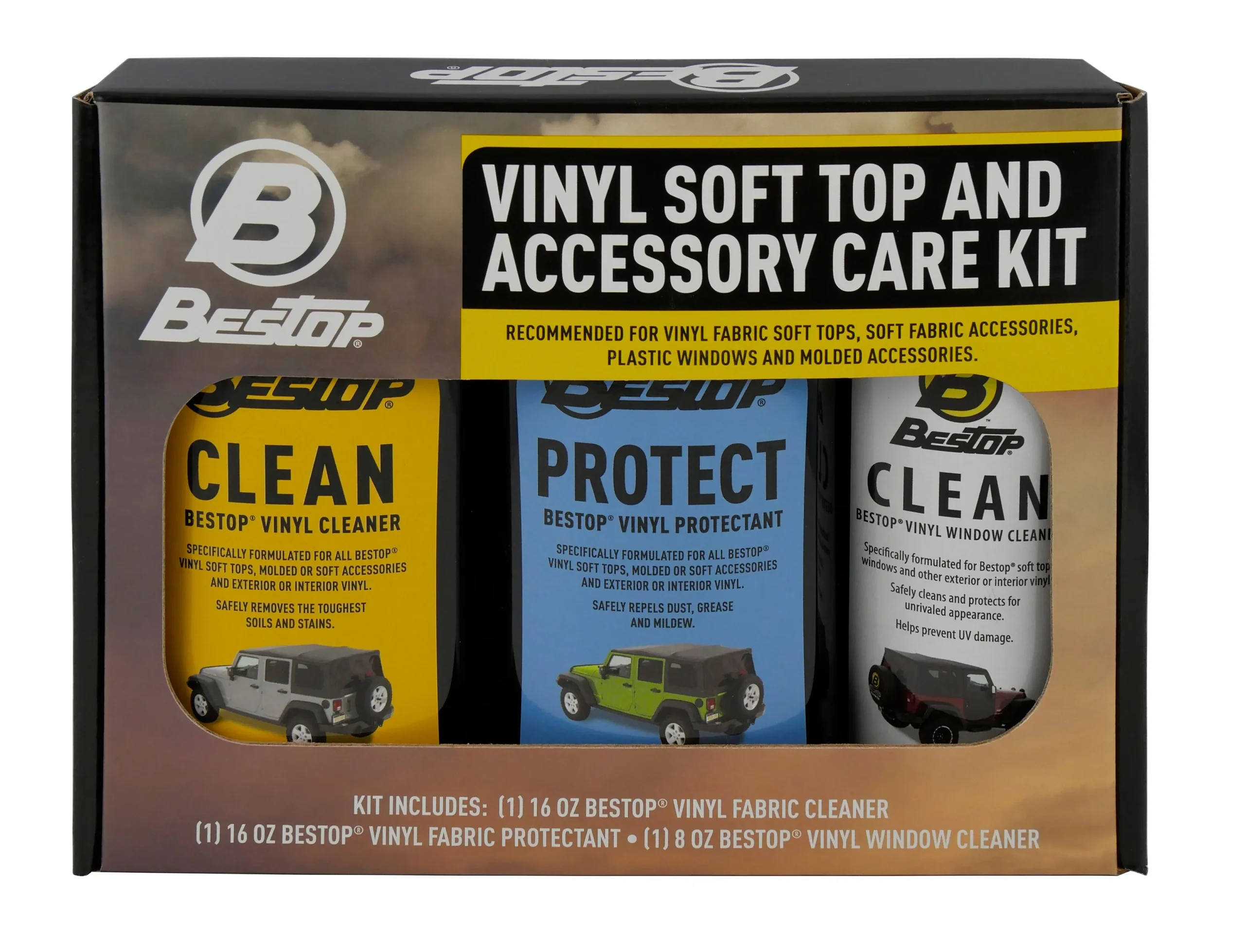
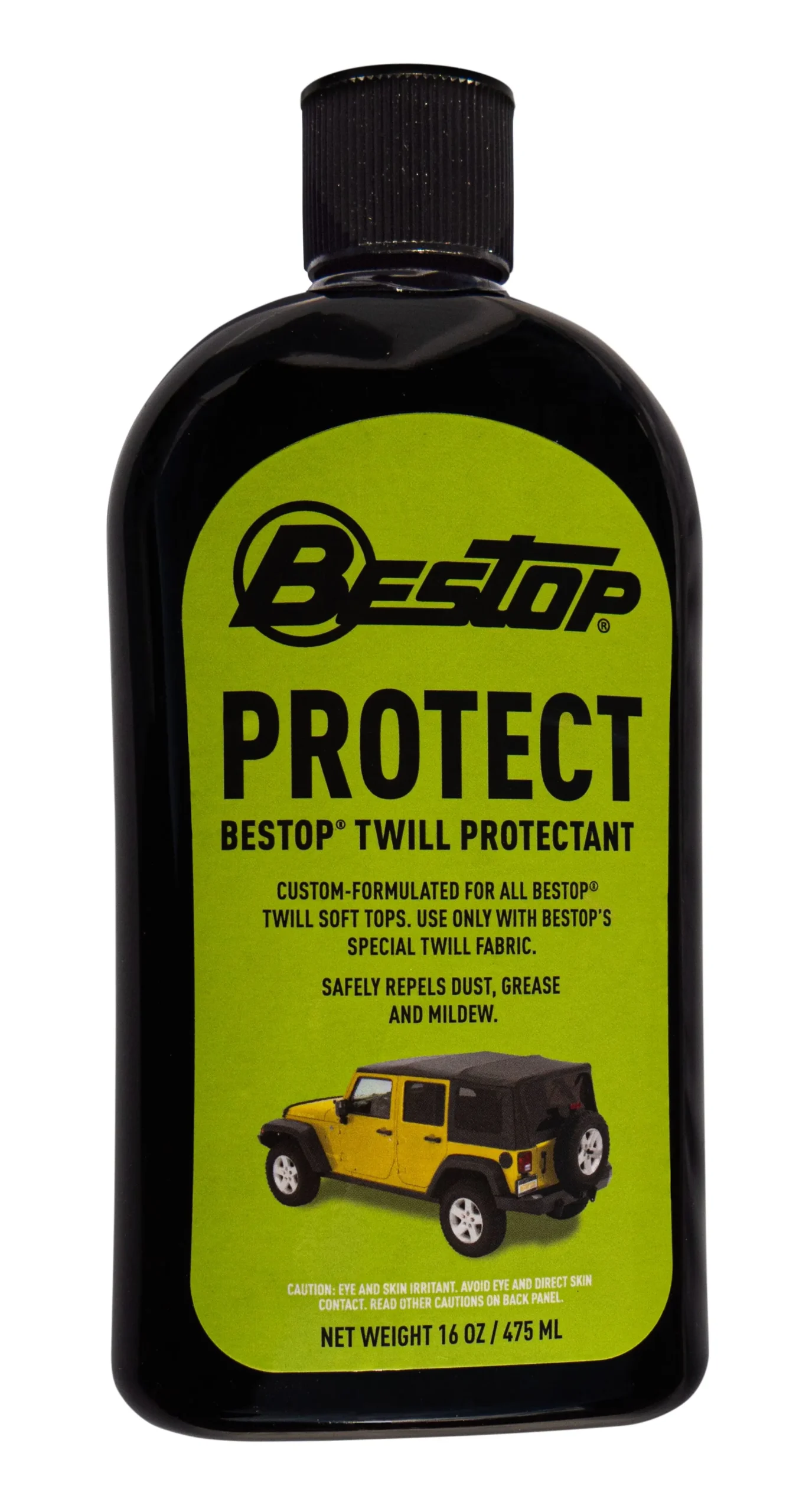
- Apply a fabric protectant designed for soft top materials. This adds a water-repellent layer that helps snow and ice slide off rather than bonding to the surface.
- Inspect all seals and weather stripping. Look for cracks, gaps, or sections that have lost their compression. Worn seals are the primary cause of winter drafts and leaks.
- Clean your soft top thoroughly. Dirt and grime left on the fabric through winter can cause premature wear and staining, especially when mixed with road salt.
- Check window clarity and attachment points. Make sure all zippers, snaps, and fasteners engage fully and securely.
During Winter
- Remove snow gently. Use a soft-bristle broom or your hand to brush snow off the top. Never use an ice scraper or stiff brush on the fabric or vinyl windows, as cold materials are more susceptible to scratching and tearing.
- Avoid forcing frozen zippers. If a zipper is stuck due to ice, warm it gradually with your vehicle’s heater or a hair dryer on low heat. Forcing a frozen zipper will damage the teeth and the surrounding fabric.
- Park in a garage or covered space when possible. While your soft top can handle winter exposure, reducing the freeze-thaw cycles it endures will extend its life.
- Keep drain channels clear. Snow melt needs a path to exit. Check that the channels along your Jeep or Bronco’s body are not blocked by ice or debris.
For more cold-weather driving confidence, check out Bestop’s guide to cold weather adventures.
For a deeper look at how soft tops really perform in cold weather, watch the Bestop Truth Squad put the question to the test:
https://www.youtube.com/watch?v=wJCb0SA_HMI
Soft Top Vs. Hard Top In Winter: What The Data Shows
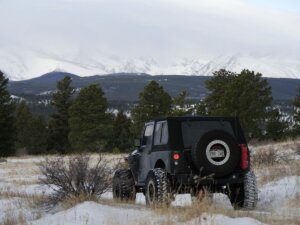
The soft top vs. hard top debate gets louder every winter, but the real-world data paints a clearer picture than the forum arguments suggest.
In Bestop’s Truth Squad testing, the cabin temperature difference between a soft top and a hard top was typically only a few degrees when the heater was running at normal settings. The biggest factor in winter cabin comfort is seal quality, not whether the top is hard or soft. A well-sealed premium soft top outperforms a hard top with worn weather stripping.
Where hard tops have an edge: Hard tops provide slightly better sound insulation at highway speeds and marginally better heat retention when the vehicle is parked and the engine is off. If you regularly leave your Jeep sitting in sub-zero temperatures for extended periods, a hard top will retain warmth a bit longer after you shut off the engine.
Where soft tops hold their own: While driving, a premium soft top with quality seals keeps the cabin warm and comfortable in the same conditions where a hard top does. Your Jeep’s heater easily compensates for the minor insulation difference. Soft tops also offer a practical advantage: you do not need to store, lift, or swap a heavy panel when the weather shifts.
The hybrid approach: The Trektop Pro Hybrid bridges both worlds with a hard rear glass hatch combined with soft top flexibility. For drivers who want the closest thing to hard top insulation with the convenience of a soft top, this is a strong option to consider.
The bottom line is that for most drivers in most winter conditions, a quality soft top performs well enough that the convenience and flexibility benefits outweigh the small insulation difference.
How To Prepare For Winter With A Soft Top
Use this checklist before the first freeze to make sure your Jeep or Bronco and soft top are winter-ready.
- Inspect your soft top fabric. Look for thin spots, small tears, or areas where the material has started to degrade. Address any damage before winter makes it worse.
- Test all seals and weather stripping. Close your top fully and check for daylight along the edges. If you see light, the seal needs attention. Replacement seals and soft top components are available for most models.
- Clean and treat vinyl windows. Use a vinyl-specific cleaner and apply an anti-fog treatment to the interior surface. Clear visibility matters even more in winter driving conditions.
- Lubricate zippers and moving hardware. A silicone-based zipper lubricant prevents freezing and keeps operation smooth through cold months.
- Verify your heater and defroster work properly. Your Jeep or Bronco’s climate system is your primary defense against cold with any top type. Make sure the blower, heater core, and defroster vents are all functioning before winter arrives.
- Check for proper drainage. Water that pools and freezes can damage seals and fabric. Confirm that all drain paths are clear and functioning.
- Confirm fitment for replacement parts. If you need new seals, windows, or hardware, use the YMM fitment tool on the Bestop website to verify compatibility with your specific Jeep or Bronco model and year before ordering.
Your Vehicle Is Built For Every Season. Your Soft Top Should Be Too.
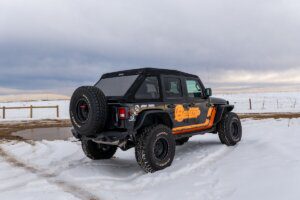
Winter does not have to mean choosing between open-air freedom and cold-weather comfort. A quality soft top, properly maintained and engineered for four-season use, lets you enjoy your Jeep or Bronco all year without compromise. Whether you are running a Trektop Ultra through a Colorado blizzard or flipping your Sunrider back on the first warm day of spring, the right soft top makes every season feel like your season.
Ready to find the right soft top for your Jeep or Bronco? Explore the full Bestop soft top lineup and discover the freedom of year-round open-air driving.
Frequently Asked Questions About Soft Tops in Winter
Here are the most common questions Jeep owners ask about using a soft top during the cold months.
Can You Use a Soft Top in Winter?
Yes. Modern Jeep soft tops are engineered for year-round use, including cold weather, snow, and rain. Premium soft tops from manufacturers like Bestop use multi-layer fabric and factory-quality seals that keep the cabin dry and comfortable in freezing temperatures. Thousands of Jeep owners drive with soft tops through harsh winters every year.
Is a Soft Top Colder Than a Hard Top?
A soft top allows slightly more heat transfer than a hard top, but the difference is typically only a few degrees when the heater is running. Seal quality has a bigger impact on cabin warmth than whether the top is hard or soft. A well-sealed premium soft top can outperform a hard top with worn weather stripping.
How Do You Maintain a Soft Top in Winter?
Brush off snow gently with a soft broom instead of scraping. Avoid forcing frozen zippers. Apply a fabric protectant before winter starts, and park in a covered space when possible. Keep drain channels clear of ice and debris, and inspect seals regularly for cracks or loss of compression.
What Is the Best Soft Top for Winter Driving?
The best winter soft tops feature multi-layer fabric, tight-fitting seals, and cold-weather-tested materials. Bestop’s Trektop Ultra and Supertop Ultra are designed as four-season soft tops with factory-grade construction. The Sunrider for Hardtop is also a strong option for owners who want hybrid hard top and soft top flexibility.
How Do You Store a Soft Top for Winter?
If switching to a hard top for winter, clean your soft top thoroughly and let it dry completely before storing. Keep it in a climate-controlled space and avoid folding tightly, as cold-stiffened fabric can crack at fold points. Lay it flat or hang it loosely if space allows.
