




















Category: Open Air Dispatch
Navigating Unpredictable Weather
Amazon Prime Day Is Soon and Bestop Is Here for It
Bestop Deep Cuts – 5 Products You Didn’t Know We Have
Outfit your Bronco the Bestop Way
Best Jeep Wrangler Mods for Beginners: 12 Must-Have Upgrades for First-Time Owners
Key Takeaways
- Start with protection: A quality soft top and door accessories keep you comfortable in any weather and make open-air driving feel effortless, not risky.
- Organize your interior early: Seat covers, grab handles, and purpose-built storage solutions prevent wear and keep your gear secure from day one.
- Prioritize safety over style: Bumpers, rock rails, and upgraded lighting protect your Jeep on the trail and improve visibility on every road.
- Build your recovery kit before you need it: Basic recovery gear and a winch let you explore with confidence, knowing you can handle the unexpected.
- Skip the big stuff for now: Lift kits and oversized tires can wait until you understand how your Jeep handles and what your driving actually demands.
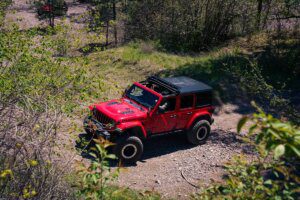
Congratulations on joining the Jeep Wrangler family. You have just picked up one of the most capable and customizable vehicles on the road, and the possibilities for making it yours are nearly endless. If you are searching for the best jeep wrangler mods for beginners, you are in the right place.
Here is the thing about owning a Wrangler: it is built to take you further, whether that means open-air cruising on a sunny afternoon or tackling your first trail. The right upgrades unlock that potential without overcomplicating things. This guide walks you through 12 must-have upgrades that protect your investment, improve your comfort, and get you trail-ready, all without requiring advanced mechanical skills or a massive budget.
Every mod on this list earns its spot by solving a real problem that first-time Jeep owners face. Let’s start with the upgrades that matter most.
Protection and Weather: Your First Priority
The best first mods for a Jeep Wrangler focus on protection and weather readiness. A quality soft top, well-fitted door accessories, and durable floor liners form the foundation that makes every other upgrade more enjoyable. These three upgrades protect your interior, seal out the elements, and let you switch between open-air freedom and all-weather confidence in minutes.
Upgrade Your Soft Top
Your soft top is the single most impactful upgrade you can make as a new Wrangler owner. It defines how you experience open-air driving and how well your Jeep handles rain, cold, and highway noise. A factory-installed top gets the job done, but purpose-built aftermarket options from Bestop’s soft top lineup deliver better materials, tighter seals, and features that make daily driving more enjoyable.
Here are the styles worth knowing:
- Trektop NX: A fastback-style soft top with a built-in Sunrider opening feature that lets you flip back the front section for quick open-air driving. It typically installs without drilling and gives your Wrangler a clean, streamlined look.
- Supertop NX: A full-frame soft top with separate, removable windows. This is the go-to choice if you want maximum flexibility to configure your top for different conditions.
- Sunrider: Think of it as a sunroof for your Wrangler. The Sunrider flips back to open the front section of your top in seconds, without removing anything. It is ideal for drivers who want open-air access on every commute, not just planned adventures.
- Replace-A-Top: If your current soft top’s fabric is worn but the frame is still solid, a replacement top lets you refresh the look and seal quality without buying a whole new system.
Bestop has been the OEM soft top supplier for Jeep for more than three decades. That same engineering, fit, and fabric quality goes into every aftermarket top they build. If you are not sure which style fits your Wrangler, the Soft Top Wizard on Bestop’s website offers a helpful starting point. For exact fitment confirmation, use the YMM (Year/Make/Model) fitment tool or reach out to Bestop’s customer service team.
For a visual walkthrough of a Bestop soft top installation, watch this guide:
Add Fabric Doors or Door Accessories
Open-air driving is one of the best parts of Wrangler ownership, but taking your full doors off and storing them safely can be a hassle. Fabric doors and door accessories give you a middle ground. Fabric half-doors or door surrounds let the breeze in while keeping some structure and security in place.
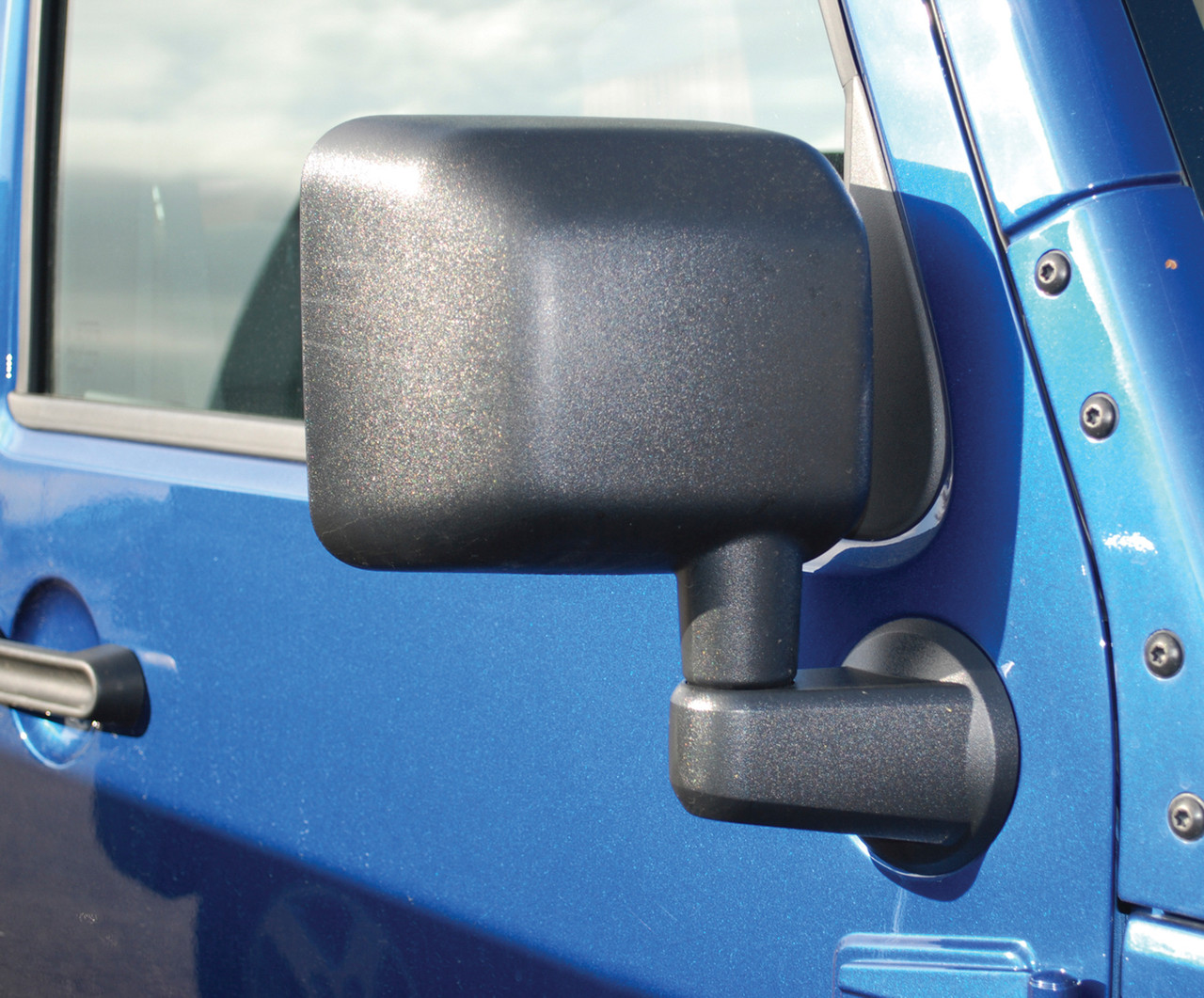
Door accessories also include practical upgrades like improved door hinges, mirror relocation brackets (required in many states when you remove full doors), and storage solutions that mount to your door panels. These small additions make the doors-off experience more practical for everyday use.
Floor Liners and Mats
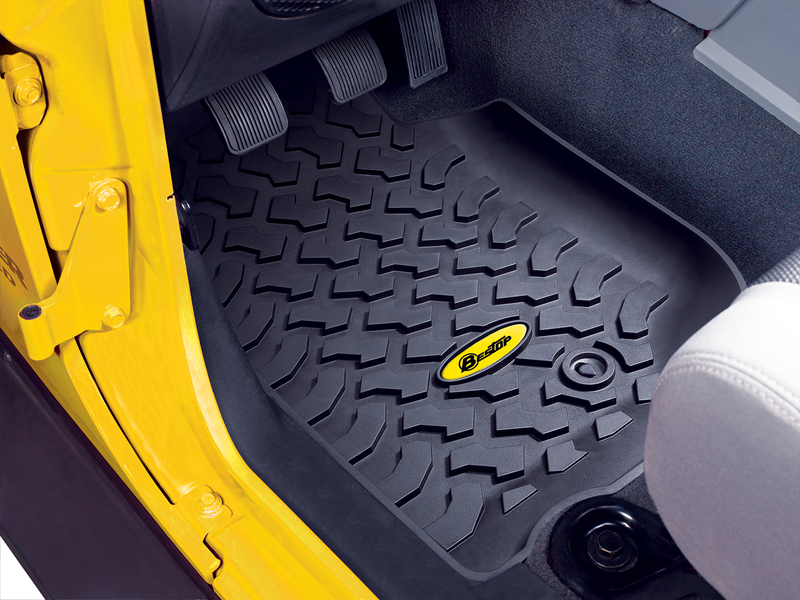
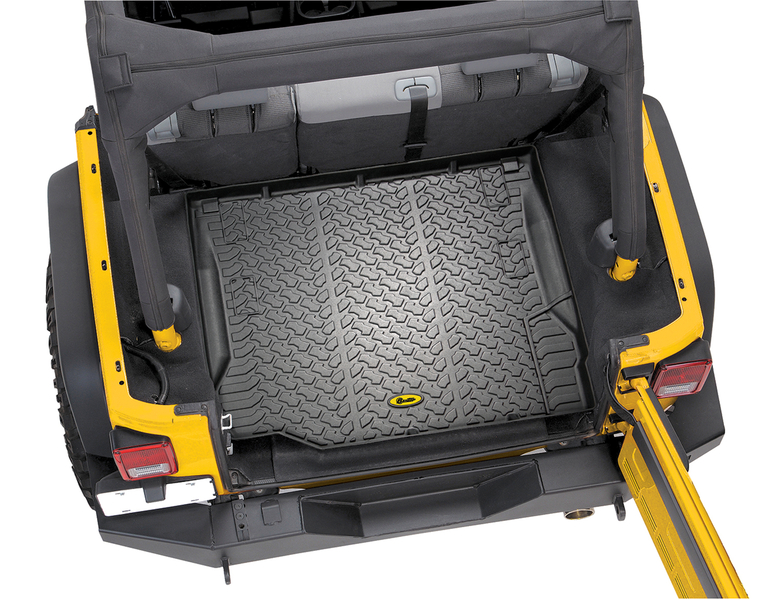
Once you start driving with the top down or the doors off, your interior will see dirt, water, and mud. Quality all-weather floor mats and cargo liners catch everything and rinse clean in minutes. Look for liners with raised edges and a secure fit that prevents shifting. This is an inexpensive mod that saves your carpet and keeps your Jeep’s resale value intact.
Interior Comfort and Organization
First-time Jeep owners need accessories that keep the cabin comfortable and organized, especially if the Wrangler doubles as a daily driver. Seat covers, grab handles, and dedicated storage turn a rugged interior into a space that works for commutes, road trips, and trail runs alike.
Seat Covers
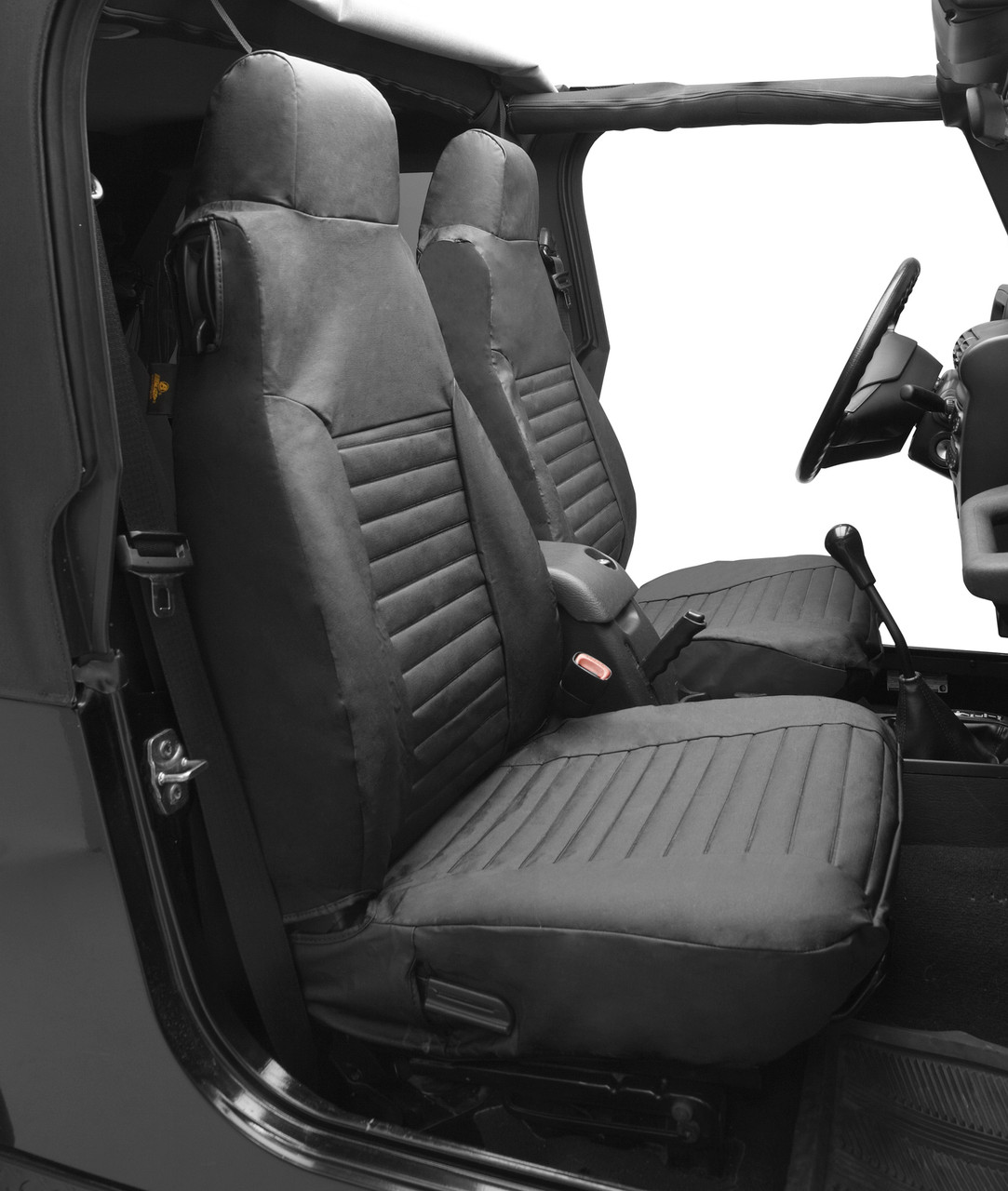
Your Wrangler’s seats take a beating from UV exposure, trail dirt, wet gear, and everyday use. Neoprene or heavy-duty fabric seat covers protect the factory upholstery while adding comfort. Look for covers designed specifically for your Wrangler’s model year so they fit snugly around headrests, armrests, and seat adjusters without interfering with airbag deployment.
Grab Handles
If you plan to hit the trail (and you should), upgraded grab handles give your passengers something solid to hold onto over rough terrain. Factory grab handles are functional, but aftermarket options typically offer better grip, padding, and mounting security. They are one of the simplest installs on this list and make a noticeable difference in passenger confidence.
Storage and Cargo Solutions
The Wrangler’s interior is not exactly built for organization. Gear shifts around, smaller items disappear under seats, and the cargo area can feel like a free-for-all after a day on the trail.
Bestop builds storage and security solutions specifically for Wrangler interiors:
- Roughrider Organizer: A purpose-built storage system that keeps tools, recovery gear, and daily essentials organized and accessible. It is designed to fit the Wrangler’s cargo dimensions without wasting space.
For rear cargo management, Bestop’s cargo racks and trays and rear cargo deck covers help you organize larger gear and keep items secure when you are driving with the windows or top removed.
Exterior Protection and Safety
Before you take your Wrangler off-road, protect the body and undercarriage with upgrades designed to handle impacts, rock scrapes, and trail hazards. Quality exterior protection pays for itself the first time a rock meets your rocker panel.
Front and Rear Bumpers
Factory bumpers prioritize parking-lot aesthetics over trail durability. Aftermarket steel bumpers, typically built from heavy-gauge steel, offer better approach and departure angles, integrated recovery points, and mounting provisions for a winch or auxiliary lights. Start with the front bumper if your budget is limited, as it takes the most abuse on the trail.
Rock Rails or Side Steps
Rock rails bolt to the frame and shield your rocker panels from rocks, stumps, and trail debris. They also double as a step to help you and your passengers climb into a lifted or stock-height Wrangler. If you plan to do any off-roading, rock rails are a higher priority than running boards or side steps designed purely for street use.
Replacement Hood Latches
The Wrangler’s factory hood latches are a known weak point. They can rattle loose on rough trails, and some owners report hoods popping open at highway speeds. Upgraded hood latches with positive locking mechanisms typically run under $100 and take minutes to install. It is a small investment for significant peace of mind.
Lighting and Visibility
Upgrading your Wrangler’s lighting improves safety on and off the road. Better headlights make nighttime highway driving safer, while auxiliary lights open up trail riding after dark.
LED Headlights
Replacing your factory halogen headlights with LED units is one of the most popular Jeep upgrades for good reason. LEDs produce a brighter, whiter light with better throw and definition, making it easier to spot obstacles, trail markers, and wildlife. Most LED headlight kits are designed as direct replacements that fit your factory housing. Check that any LED kit you choose is DOT-compliant for legal road use.
Off-Road Light Bars and Pods
Light bars mount to your bumper, windshield frame, or A-pillars and flood the trail with light. Smaller LED pods offer targeted lighting for specific areas like your front fenders or rear cargo area. For premium off-road lighting built for the trail, Baja Designs offers a full range of off-road light bars and pods that fit the Jeep Wrangler. Start with a modest setup (a small light bar or a pair of pods) and expand as you learn where you actually need more light based on your driving.
Keep in mind that light bars and pods are typically for off-road use only. Many states have laws restricting their use on public roads, so check your local regulations and install covers or switches that let you stay compliant.
Trail Readiness: Recovery Gear Essentials
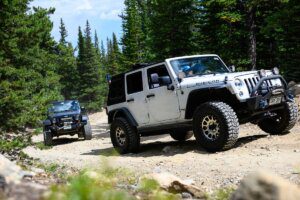
Every Jeep owner who ventures off-road needs recovery gear. It is not a question of if you will get stuck, it is a question of when. The right recovery equipment lets you handle those moments calmly and safely, whether you are pulling yourself out or helping a fellow driver.
Recovery Kit Basics
Build a basic recovery kit before your first trail run. At a minimum, your kit should include:
- Recovery strap or kinetic rope: A stretchy strap (not a tow strap) that absorbs shock during a pull. Look for a minimum 20,000-pound rating for Wrangler recovery.
- D-ring shackles: Heavy-duty shackles connect your recovery strap to a tow point. Soft shackles made from synthetic rope are a popular alternative because they are lighter and safer if they break under load.
- Gloves: Protect your hands when handling straps, winch cables, and muddy recovery points.
- Traction boards: Placed under your tires, these give you grip on sand, mud, or snow when you are stuck.
Store your recovery kit in an accessible location. A Bestop Roughrider Organizer works well for keeping this gear secure and easy to reach.
Winch
A winch is the single most effective recovery tool you can own. It lets you pull yourself out of situations where no amount of traction boards or rocking will work. For a Wrangler, look for a winch rated at a minimum of 1.5 times your vehicle’s gross weight (typically 9,500 to 10,000 pounds for most Wranglers, with heavily modified or overland-loaded builds warranting up to 12,000 pounds). Synthetic winch line is lighter and safer to handle than steel cable.
A winch requires a bumper with a winch plate or mount, so plan these two upgrades together if your budget allows.
What to Skip as a Beginner
New Jeep owners should avoid lift kits and oversized tires until they understand their specific driving needs and are ready to invest in the supporting modifications those upgrades require. Not every popular mod belongs on a beginner’s list. Some upgrades introduce complexity, cost, or trade-offs that are better handled once you have more seat time in your Wrangler.
- Lift kits: A lift changes your Wrangler’s center of gravity, steering geometry, and driveline angles. Unless you have specific off-road clearance needs, drive your Wrangler at stock height for a season before committing to a lift. You will have a much better understanding of what height and suspension setup matches your actual driving.
- Oversized tires without re-gearing: Larger tires look great, but they stress your drivetrain, reduce acceleration, and can cause premature wear on your transmission and axles if you do not re-gear your differentials to compensate. This is an expensive secondary mod that many beginners do not budget for.
- Axle swaps and lockers: These are performance upgrades for experienced off-roaders who have outgrown their factory axles. Your stock axles and open differentials are more capable than you might expect for beginner and intermediate trails.
- Aggressive fender flares (without the tires to match): Wide fender flares on stock tires look incomplete and serve no functional purpose. Wait until you are ready for larger tires before changing your fenders.
The best approach for beginners is to drive first, modify second. Let your experience on the trail tell you what your Wrangler actually needs.
How Much Do Beginner Jeep Mods Cost?
Beginner Jeep mods cost anywhere from $50 for simple accessories to over $2,000 for premium soft tops or winch setups. The total depends on which upgrades you prioritize and whether you handle installation yourself. Here is a general breakdown to help you plan your budget.
| Upgrade Category | Typical Price Range | Priority Level |
| Soft top (aftermarket) | $800 – $2,500+ | High |
| Floor liners | $50 – $200 | High |
| Seat covers | $100 – $400 | Medium |
| Grab handles | $25 – $75 | Low |
| Storage solutions | $50 – $300 | Medium |
| Front bumper (steel) | $400 – $1,500 | Medium |
| Rock rails | $200 – $800 | Medium |
| Hood latches | $30 – $100 | Low |
| LED headlights | $100 – $400 | Medium |
| Light bar or pods | $50 – $500 | Low |
| Recovery kit (basic) | $75 – $250 | High |
| Winch | $300 – $1,200 | Medium |
Budget-friendly starting point: Floor liners, seat covers, grab handles, and a basic recovery kit can be done for under $500 total. These four upgrades protect your interior and prepare you for the trail without a major investment.
Mid-range build: Add a quality aftermarket soft top, a steel front bumper, and LED headlights, and your total typically lands between $1,500 and $3,500 depending on the brands and features you choose.
Full beginner build: All 12 upgrades on this list can typically be completed for $3,000 to $7,000, with the soft top and winch/bumper combination accounting for the largest share of that budget.
Start Building Your Wrangler the Right Way
Your Jeep Wrangler is built for more than pavement. The upgrades on this list help you unlock that potential safely and confidently, starting with the mods that matter most for protection, comfort, and trail readiness.
Whether you are looking for a soft top that makes open-air driving part of your daily routine, storage that keeps your gear organized, or the confidence to tackle your first trail, the right first upgrades set the tone for everything that follows. Explore Bestop’s full lineup of soft tops, door accessories, and storage solutions to find the upgrades that fit your Wrangler and your lifestyle.
Frequently Asked Questions About Jeep Wrangler Mods for Beginners
New Jeep owners often have the same questions about getting started with modifications. Here are the most common ones, answered directly.
What Are the Best First Mods for a Jeep Wrangler?
The best first mods for a Jeep Wrangler focus on protection and comfort: a quality soft top replacement, all-weather floor liners, seat covers, and grab handles. These upgrades improve daily driving while preparing your Wrangler for open-air adventures without requiring mechanical expertise or a large budget.
What Accessories Does a First-Time Jeep Owner Need?
First-time Jeep owners need weather protection (a reliable soft top and floor liners), interior organization (a cargo trunk organizer), safety upgrades (grab handles and LED headlights), and a basic recovery kit with tow straps and D-rings. These accessories cover everyday use and light trail readiness.
What Soft Top Should I Get for My Jeep Wrangler?
For most beginners, a Bestop Trektop NX or Supertop NX offers the best combination of ease of use, weather protection, and value. If you want quick open-air access, the Sunrider line lets you flip the front panel back without removing the entire top. Use the YMM fitment tool to confirm compatibility with your specific model.
How Much Do Beginner Jeep Mods Cost?
A well-rounded set of beginner Jeep mods typically costs between $1,500 and $4,000 total. Individual upgrades range from $30 for grab handles to $800 or more for a premium soft top. Floor liners are an affordable upgrade in the $50 to $200 range, while seat covers and LED headlights typically run $100 to $400 and deliver noticeable improvements.
Should I Lift My Jeep Wrangler as a Beginner?
Most experienced Jeep owners recommend waiting on a lift kit until you understand your specific driving needs. A lift affects ride quality, handling, and fuel economy, and it often requires additional modifications like new shocks, control arms, and re-gearing. Focus on protection and comfort mods first.
What Are the Unspoken Rules of Jeep Ownership?
The Jeep community follows several traditions: always return the “Jeep wave” to fellow Wrangler drivers, help other Jeep owners stuck on the trail, and avoid over-modifying before you learn your vehicle’s capabilities. Start with practical upgrades and let your driving experience guide your build priorities.
Do I Need Recovery Gear for My Jeep Wrangler?
Yes, every Jeep Wrangler owner should carry a basic recovery kit, even for light trail use. At minimum, pack a tow strap, D-ring shackles, work gloves, and a tire repair kit. A winch is optional for beginners but becomes essential if you plan to tackle more challenging off-road terrain solo.
Frameless vs Factory-Style Soft Tops: Which Is Right for Your Jeep?
Key Takeaways
- A frameless soft top eliminates the metal bow frame utilized on factory-style tops, creating a sleeker, lower-profile silhouette that many vehicle owners prefer for its modern fastback look.
- Factory-style soft tops retain the classic squareback profile with a full bow assembly, offering proven fold-down convenience and maximum rear headroom for passengers and cargo.
- Bestop’s Trektop Ultra bridges both worlds as the only frameless soft top that folds completely flat, converts to a bikini top, and includes an integrated Sunrider front panel.
- Your ideal soft top depends on whether you prioritize a modern aesthetic and lighter weight (frameless) or full fold-down access and maximum interior space (factory-style).
- Both styles are available in premium fabrics like Black Diamond viny, Sailcloth and Premium Black Twill, and Bestop offers options for Jeep Wrangler JL, JK, TJ, Gladiator, and Ford Bronco.
If you have ever looked at two Jeep Wranglers side by side and noticed that one has a sharp, sloped roofline while the other has the familiar boxy shape, you were probably seeing the difference between a frameless soft top and a factory-style soft top. It is one of the most impactful choices you can make when outfitting your Jeep for open-air driving, and the right choice depends on how you use your vehicle, what look you want aesthetically, and how you plan to access fresh air on the road or trail.
This guide breaks down both soft top styles, compares them feature by feature, and shows you where Bestop’s engineering has pushed the soft top category forward with innovations that eliminate the traditional tradeoffs.
What Is a Frameless Soft Top?
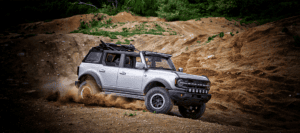
Unlike a traditional soft top, a frameless soft top does not use a traditional metal bow frame. Instead it utilizes a tension-based design, attaching directly to the roll bar and windshield header through integrated channels and fasteners. The result is a streamlined, fastback silhouette with no exposed hardware arching over the cabin.
You may also hear frameless soft tops called “bowless” or “fastback” tops. All three terms describe the same core concept: a top that achieves its shape through fabric tension and built-in structure rather than a skeleton of metal bows. This design creates a noticeably sleeker, more aerodynamic profile compared to the classic soft top shape.
The frameless approach typically means fewer parts to manage, a lighter overall assembly, and a look that sits closer to what you might see on a sports coupe. For many owners, that modern roofline is the primary reason they choose a frameless top.
What Is a Factory-Style Soft Top?
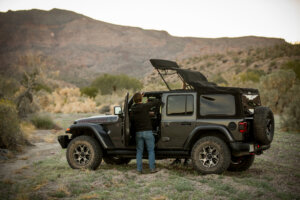
A factory-style soft top uses a metal bow assembly (a series of folding support bars) to create the top’s shape, producing the classic squared-off roofline that has defined Jeep Wranglers for decades. This is the style that comes stock on soft-top-equipped Wranglers from the factory.
The bow frame snaps or latches into place along the roll bar and windshield header, then the fabric drapes over the bows and secures at the sides and tailgate. The bows fold in a specific sequence so the entire top can collapse behind the rear seat, giving you full open-air access.
Both Mopar OEM replacements and aftermarket options are available in this style. Bestop’s Supertop line is the most well-known aftermarket factory-style top, available in premium fabrics like Sailcloth and Black Twill with improved fit and sealing compared to OEM tops. Whether you go OEM or aftermarket, the fundamental design, the folding metal bow frame under a fabric shell, is the same.
Frameless vs Factory-Style: Key Differences at a Glance
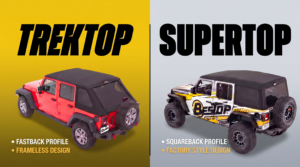
The table below compares the two styles across the features that matter most to Jeep owners.
| Feature | Frameless Soft Top | Factory-Style Soft Top |
|---|---|---|
| Frame/Hardware | No metal bow frame; tension-based design | Full folding metal bow assembly |
| Profile/Look | Sleek fastback/slantback silhouette | Classic boxy, squared-off roofline |
| Fold-Down Capability | Varies by model (most require removal; Trektop Ultra folds flat) | Full fold-down behind rear seat |
| Rear Headroom | Typically slightly reduced due to sloped roofline | Maximum rear headroom |
| Bikini Top Conversion | Built-in on many models | Requires separate bikini top purchase |
| Weather Sealing | Excellent on current-generation designs | Proven, well-established sealing |
| Weight | Lighter (fewer metal components) | Heavier (full bow frame) |
| Price Range | Typically more affordable (entry models) | Typically higher (more hardware) |
| Installation Complexity | Moderate; fewer parts to align | Moderate to complex; bow alignment required |
Both styles have earned strong reputations for weather performance in their current generations, and both are available in premium fabric options. The biggest differences come down to visual style, fold-down behavior, and how you want to transition between closed and open-air driving.
For a deeper dive into fabric options, fitment, and accessories, check out the soft top buyer’s guide.
Pros and Cons of Frameless Soft Tops
Why Jeep Owners Choose Frameless
The frameless or fastback soft top has become one of the fastest-growing categories in the Jeep accessory market, and the reasons are straightforward.
- Modern fastback look: The sloped, streamlined roofline transforms the visual identity of a Wrangler. For owners who want their Jeep to stand out from the crowd, this is often the deciding factor.
- Lighter weight: Without a full metal bow assembly, frameless tops typically weigh less than their factory-style counterparts. Less weight means marginally better fuel economy and easier handling during installation or removal.
- Built-in bikini capability: Many frameless tops include integrated bikini or safari top configurations, letting you remove the rear section while keeping the front panel in place. No separate purchase necessary.
- More affordable entry point: Entry-level frameless tops generally come in at a lower price than factory-style tops because they require less hardware.
- Zipperless windows on premium options: Select frameless models from Bestop feature windows that slide or detach without zippers, reducing noise and simplifying the open-air transition.
Where Frameless Tops Have Limitations
Understanding what tradeoffs exist can help make you feel confident in your purchase decision.
- Most cannot fold flat: The majority of frameless soft tops must be fully removed to go topless rather than folding behind the rear seat. The Trektop Ultra is a notable exception.
- Slightly reduced rear headroom: The sloped roofline means passengers in the rear seat and tall cargo items may have less vertical clearance compared to a squared-off factory-style top.
Explore the Trektop for the Wrangler JL to see how Bestop’s current frameless engineering handles these considerations.
Pros and Cons of Factory-Style Soft Tops
Why Factory-Style Remains a Popular Choice
Squareback factory-style soft tops have been the default choice for good reason, and they have been for many Jeep owners, for many years.
- Full fold-down convenience: The bow assembly folds in sequence so you can drop the entire top behind the rear seat without removing anything from the vehicle. For owners who go topless frequently and want a quick transition, this is a significant advantage.
- Maximum rear headroom: The squared-off profile provides the most interior space for rear-seat passengers and tall cargo.
- Proven weather sealing: Decades of refinement have made factory-style sealing systems highly reliable. The channel-and-bow design creates consistent contact points all around the top.
- Familiar operation: The factory-style soft top has been a cornerstone of the open-air driving experience for decades. The fold-down sequence is familiar, intuitive, and well-documented.
Factory-Style Considerations
- Heavier overall assembly: The full metal bow frame adds noticeable weight compared to a frameless design. This can make installation, removal, and storage more of a project.
- Boxy appearance: Some owners feel the squared-off roofline looks dated compared to the fastback alternatives now available.
- Higher cost: More hardware typically means a higher price tag, especially for premium aftermarket options with improved fabrics and sealing.
- Complex storage: When folded, the bow assembly and fabric create a bulky stack behind the rear seat that can limit cargo space.
The Best of Both Worlds: Bestop’s Frameless Innovation
Bestop created the frameless soft top category and continues to push it forward. The Trektop family represents a range of frameless options, each built around the same modern fastback silhouette but designed for different levels of open-air access.
Trektop NX is the entry point into frameless driving. It delivers the clean fastback look with a straightforward design and is the most affordable way to get the modern slantback silhouette. The Trektop NX must be fully removed to go topless, which makes it ideal for owners who prioritize the look and plan seasonal removal rather than daily transitions.
Trektop NX Glide adds a retractable rear panel that slides open on integrated rails, plus zipperless side and rear windows. The result is a top that gives you multiple open-air configurations without ever unbolting the entire assembly. It is the core of the Trektop lineup for owners who want versatility built into the frameless form factor.
Trektop Ultra is the flagship of the family. It is the only frameless soft top that folds completely flat, converts to a full bikini top for a “safari mode”, and includes an integrated Sunrider feature front panel for instant overhead access. The Ultra uses a Guide-Track retraction system with Lift Assist to make the fold-down effortless. For Wrangler JL 4-door owners who want the frameless look without giving up any of the open-air versatility of a factory-style top, the Ultra eliminates the compromise. Explore the Trektop Ultra.
Trektop Pro Hybrid takes a different approach as a hybrid with an industry-first hard rear glass hatch. It blurs the line between soft top and hardtop, delivering the fastback silhouette with the security and clarity of tempered glass in the rear. The Pro is available for the Wrangler JK.
Browse the Trektop Glide and the full soft top lineup to compare all options.
For owners who want open-air access but aren’t ready to part with their hardtop entirely, the Sunrider for Hardtop replaces the front freedom panels with a flip-back soft panel that opens in seconds.
For a closer look at how a frameless soft top installs and operates, watch our Trektop Glide installation walkthrough:
https://www.youtube.com/watch?v=znAev4Arq0U
How to Choose: Frameless or Factory-Style?
Choosing between a frameless and factory-style soft top comes down to three questions: what look do you want, how do you access open air, and who rides in the back?
Choose a frameless soft top if you want:
- A modern, fastback silhouette that sets your Jeep apart
- Built-in bikini top capability without buying a separate accessory
- A lighter top that is easier to handle during installation
- A more affordable entry point into premium soft top ownership
Choose a factory-style soft top if you want:
- Full fold-down convenience for frequent topless driving
- Maximum rear headroom for passengers and cargo
- The most established weather sealing track record
- A familiar operation you already know from previous Wranglers
Choose the Trektop Ultra if you want both. It is the only frameless soft top that folds flat, converts to bikini, and includes the Sunrider flip back feature, delivering the best of the fastback look with the full open-air access of a factory-style top.
Not sure which tops fit your specific year, make, and model? Use the YMM fitment tool on bestop.com to confirm compatibility before you buy. For more on why a soft top might be the right upgrade for your driving life, read why a soft top is the ultimate upgrade.
Available for Jeep and Ford Bronco
Bestop’s frameless and factory-style soft tops are engineered for a wide range of vehicles. The Trektop family is available for the Jeep Wrangler JL (2-door and 4-door), Wrangler JK, TJ (NX model),. Factory-style Supertop options cover a similarly broad range. For Wrangler JK owners, explore the full range of JK soft tops to find your fit.
Bestop also builds the Trektop for the Ford Bronco, bringing the same frameless fastback design to Bronco owners who want a modern alternative to their stock hard top.
Whether you drive a Wrangler or Bronco, the frameless vs factory-style decision follows the same logic. The differences in look, weight, and open-air access apply across platforms.
The right soft top should make open-air driving feel effortless, not like a compromise. Whether you lean toward the modern fastback profile of a frameless top or the proven fold-down convenience of a factory-style design, Bestop builds both to the same OEM-trusted standard of fit, fabric, and engineering.
Explore the full soft top buyer’s guide or browse all soft top options to find the right match for your vehicle and your driving life.
Frequently Asked Questions About Frameless and Factory-Style Soft Tops
Choosing between frameless and factory-style soft tops raises a lot of questions. Here are the answers Jeep and Bronco owners ask most.
What Is a Frameless Soft Top?
A frameless soft top is a Jeep or Bronco soft top that attaches directly to the vehicle’s roll bar and windshield header without a separate metal bow assembly or frame. The fabric uses tension, channels, and straps to maintain its shape, resulting in a sleeker, more aerodynamic profile than traditional framed tops.
What Is the Difference Between a Frameless and Factory-Style Soft Top?
Factory-style (squareback) soft tops use a metal bow frame assembly that creates a boxy, structured shape and allows the top to fold completely flat. Frameless soft tops eliminate that frame, attaching directly to the roll bar for a lower-profile, fastback look. The trade-off is that frameless tops may offer less rear headroom but typically convert to a bikini-style configuration more easily.
Can You Fold Down a Frameless Soft Top?
Most frameless soft tops do not fold completely flat like a factory-style top. However, advanced designs like the Bestop Trektop Ultra feature a fold-down capability that lets you fully recline the top, combining the sleek frameless look with true open-air freedom. Many frameless tops also convert to a bikini configuration by simply removing the rear windows.
Do Frameless Soft Tops Leak?
Quality frameless soft tops from established manufacturers use precision-engineered seals, channels, and tension systems to prevent leaks. While early frameless designs may have had some weather-sealing limitations, modern options like Bestop’s Trektop line use premium fabrics for tight fits and factory-grade sealing to deliver reliable all-weather protection comparable to framed tops.
Are Frameless Soft Tops Good for Highway Driving?
Yes. Modern frameless soft tops are designed to reduce wind noise and buffeting at highway speeds. Their lower, more aerodynamic profile actually cuts through air more efficiently than boxy factory-style tops. Premium frameless options from Bestop use tensioned fabric and reinforced seals to minimize cabin noise.
What Is the Best Frameless Soft Top for a Jeep Wrangler?
Bestop’s Trektop line is widely regarded as the industry leader in frameless soft tops. The Trektop NX offers a clean fastback look, the Trektop Glide adds a retractable sunroof-style panel, and the Trektop Ultra combines frameless styling with a full fold-down feature. Each is available in Black Diamond and Premium Black Twill fabrics.
What Is a Bowless Soft Top?
“Bowless” is another term for a frameless soft top. It refers to the absence of the metal bows (crossbars) that form the skeleton of a traditional factory-style top. Bowless and frameless are used interchangeably across the aftermarket industry to describe tops that mount without a separate frame assembly.
Are Frameless Soft Tops Cheaper Than Factory-Style Tops?
Generally, yes. Because frameless soft tops eliminate the metal bow assembly and associated hardware, they typically cost less than a full factory-style replacement top. Basic frameless options can save you several hundred dollars, though premium frameless tops with advanced features may approach or match factory-style pricing.
Ford Bronco Hard Top vs. Soft Top: Which Roof Is Right for Your Bronco?
Key Takeaways
- Neither the hard top nor the soft top is universally “better” for every Bronco owner. The right choice depends on how you drive, where you live, and how often you want open-air freedom.
- A soft top does not typically hurt a Bronco’s resale value, especially when paired with premium aftermarket options like the Bestop Trektop or eTop that buyers actively look for.
- You can replace a Bronco hard top with a soft top, and solutions like the Bestop Sunrider for Hardtop let you add open-air flexibility without removing your hard top at all.
- Bestop’s eTop brings one-touch powered soft top convenience to the 2021-2027 Ford Bronco starting around $4,995, bridging the gap between hard top security and soft top freedom.
If you are shopping for a Ford Bronco hard top or considering a switch to a soft top, you are facing one of the most personal decisions in Bronco ownership. The honest answer: neither option is universally better. A hard top delivers stronger insulation and security, while a soft top unlocks the open-air driving experience that makes the Bronco feel like a Bronco. What matters is how you actually use your rig.
This guide breaks down the real-world trade-offs between hard tops and soft tops for the 2021-2027 Ford Bronco, covers common problems owners run into, and walks through aftermarket solutions (including options that give you the best of both worlds). Whether you are building a daily driver or a weekend trail machine, you will find the right answer here.
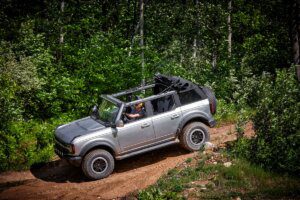
Ford Bronco Hard Top vs. Soft Top at a Glance
| Feature | Hard Top | Soft Top |
| Weight | Roughly 124 lbs total (about 68 lbs for the rear section) | Significantly lighter (varies by style) |
| Typical Cost Range | ~$2,500 used to $5,000+ new (OEM) | $800-$5,595 (depending on style and features) |
| Highway Noise | Quieter cabin with better insulation | Louder at highway speeds, though modern fabrics have narrowed the gap |
| Installation Time | Requires 2+ people, 30-60 minutes | Many styles are one-person, 5-15 minutes |
| Security | Solid panels resist break-ins | Fabric panels are easier to breach |
| Open-Air Capability | Panels must be fully removed and stored | Fold, zip, or flip open in minutes |
| Roof Rack Support | Strong support for heavier loads | Check manufacturer specs for weight limits |
Looking for accessories to complement your Bronco’s top? Explore the full lineup of Bronco 4-Door accessories.
What You Get with a Ford Bronco Hard Top
Durability and Weather Protection
Common Bronco hard top problems include cracking along panel seams, paint peeling or discoloring over time, and water leaks around seals, particularly in early 2021-2022 production models. Ford has addressed some of these issues through recalls and updated manufacturing, but they remain a consideration for used Bronco buyers and owners weighing a replacement.
Beyond those known issues, a hard top does deliver meaningful advantages. The rigid shell provides better insulation against heat, cold, and road noise compared to any fabric top. In heavy rain or snow, a properly sealed hard top keeps the cabin drier. For owners who drive in harsh winter climates or spend long hours on the highway, that added insulation makes a noticeable difference in comfort and climate control efficiency.
That said, the hard top is not maintenance-free. Panel alignment can shift over time (especially on trail-driven Broncos), seals need periodic inspection, and replacing a damaged panel typically means an expensive OEM part and professional installation.
Security and Resale Value
A soft top does not typically reduce a Bronco’s resale value. In fact, many buyers actively prefer the versatility a soft top provides, and a well-maintained aftermarket soft top from a trusted manufacturer can be a selling point. What matters most for resale is the overall condition of the vehicle and the quality of any modifications.
Hard tops do offer a security advantage. Solid fiberglass or composite panels are significantly harder to breach than fabric. If you park in high-theft areas or keep valuable gear in your Bronco, a hard top provides more peace of mind. However, it is worth noting that the Bronco’s removable doors and windows still present access points regardless of top style. Practical security measures (locking consoles, hidden storage) matter more than top material alone.
Hard Top Costs and Considerations
A replacement OEM Ford Bronco hard top ranges from roughly $2,500 for used panels to around $5,000 or more for a new OEM top, depending on the model year and door configuration. That price does not include paint matching or professional installation, which can add several hundred dollars.
Weight is another real consideration. At roughly 124 lbs for a full hard top assembly (the rear section alone is about 68 lbs), removal requires at least two people and a safe place to store the panels. Many owners invest in ceiling hoists or rolling carts, adding cost and garage space requirements. If you only remove your top a few times a year, that setup may be worth it. If you want to go topless every sunny weekend, the effort adds up quickly.
Storage is the hidden cost of hard top ownership. Full panel sets take up significant garage or shed space, and leaving them outdoors invites damage. For Bronco owners without dedicated storage, this alone can tip the decision toward a soft top or a hybrid solution.
Why a Soft Top Might Be the Better Choice for Your Bronco
Open-Air Freedom in Minutes
This is where the Bronco was born to live. A soft top transforms the simple act of pulling over at a trailhead or catching a sunset into something effortless. Fold back a section, unzip a window, or remove the entire top, often by yourself, in minutes rather than the multi-person production a hard top demands.
That ease of use changes how you drive. Owners who switch to a soft top consistently say they go topless more often, not because the weather is always perfect, but because the barrier to open-air driving drops to nearly zero. When your top takes five minutes instead of forty-five, every drive becomes an opportunity.
The weight savings matter too. A lighter top means less strain on your Bronco’s hinges and lift supports, easier handling on the trail, and one less reason to skip the scenic route.
Aftermarket Soft Top Options for the 2021+ Bronco
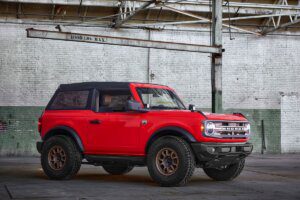
Bestop has been Jeep’s sole OEM soft top supplier since 1986 and an OEM partner to Ford Bronco, building to Ford OEM standards, and that same engineering goes into every aftermarket option. Here is what is available for Bronco owners who want more from their roof.
Trektop Slantback Soft Top
The open road looks different through a fastback roofline. The Trektop Slantback Soft Top uses your Bronco’s existing sport bars, so there is no separate frame to buy or install. The result is a clean, low-profile look that still folds back when you want sky above you. It is a full top replacement that changes the character of your Bronco while keeping things simple.
Sunrider for Hardtop
Not ready to give up your hard top entirely? The Sunrider for Hardtop replaces the front panels of your OEM hard top with a flip-back fabric section that opens like a sunroof. You keep the security and insulation of your hard top over the rear, while the front opens up for fresh air and sunlight. It is one of the most popular Bronco modifications for a reason: zero compromise.
Skyrider for Hardtop
Want even more sky? The Skyrider for Hardtop opens a panoramic section of your existing hard top, giving you a dramatically wider opening than a traditional sunroof. Same concept as the Sunrider, but with more open-air real estate.
eTop Powered Soft Top
The eTop is the world’s only aftermarket powered soft top, and it changes what a Bronco roof can be. One touch and the top retracts or closes, no pulling, no folding, no zippers. Priced from $$5,295 (around $5,595 for premium colors), it is an investment, but it delivers OEM-grade precision fit for the 2021-2027 Bronco 4-door with the kind of convenience that makes open-air driving a daily habit rather than a weekend project.
Access Bimini
Sometimes all you need is shade. The Access Bimini is a mesh sun shade that provides overhead coverage without enclosing the cabin. It is lightweight, easy to install, and perfect for trail days when you want sun protection without walls.
Soft Top Noise, Durability, and Maintenance
A Bronco soft top is typically louder on the highway than a hard top, especially at speeds above 60 mph. That is an honest trade-off. However, modern premium fabrics have significantly narrowed the gap compared to soft tops from even a decade ago.
Bestop’s Black Diamond and Premium Black Twill fabrics are engineered for UV resistance, water repellency, and long-term durability. They resist fading, cracking, and shrinking through years of sun exposure, rain, and temperature swings. Maintenance is straightforward: periodic cleaning with a fabric-safe cleaner and UV protectant keeps the material in top condition.
Will a soft top last as long as a hard top? With proper care, premium soft top fabrics typically deliver years of reliable service. They will not crack or peel the way some hard top panels do, and replacing worn fabric panels is generally less expensive than sourcing new hard top panels.
The Best of Both Worlds: Bestop Solutions That Work with Your Hard Top
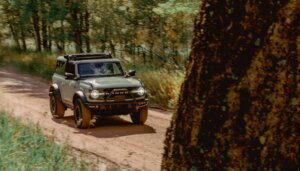
Sunrider for Hardtop: Keep Your Hard Top, Add Open-Air Flexibility
The Sunrider for Hardtop is Bestop’s answer to the “I want both” dilemma. It replaces the front panels of your OEM hard top with a fabric section that flips open and closed in seconds, like a massive sunroof. Your rear hard top panels stay in place, providing security and weather protection over the cargo area. The front opens up whenever you want air and sky.
This means no storing your hard top panels, no needing a second person, and no committing to one style permanently. Drive to work with the front closed on a rainy Monday, flip it open for a sunny lunch run, and close it again before the evening commute. That kind of flexibility is what makes the Sunrider one of the most popular Bronco upgrades on the market.
eTop: The Powered Soft Top Revolution
The Bestop eTop for Ford Bronco is the world’s only aftermarket powered soft top. It delivers one-touch electric operation: press a button and the top retracts or closes automatically, no manual effort required.
Engineered with OEM-grade precision for the 2021-2027 Ford Bronco 4-door, the eTop is built in Bestop’s OEM-certified soft top factory, the only one of its kind in the North American aftermarket. It features nine layers of premium fabric for all-season insulation and a super-suede headliner that reduces cabin noise by up to 5 dB. Priced from $4,995 depending on color, it represents a new category in Bronco ownership. For drivers who want the open-air lifestyle without any of the friction, the eTop removes every barrier between you and the sky.
For a closer look at what the eTop brings to the Bronco experience, watch this overview:
How to Choose the Right Top for Your Ford Bronco
Yes, you can replace a Bronco hard top with a soft top. The 2021-2027 Bronco was designed with a modular roof system, making it straightforward to swap between top styles. Aftermarket soft tops from Bestop are engineered specifically for the Bronco’s body and mounting points, and solutions like the Sunrider for Hardtop let you add open-air capability without removing your hard top at all.
Here is a simple framework to guide your decision:
- Maximum security and insulation: Keep your hard top. It delivers the quietest cabin and strongest physical barrier.
- Open-air flexibility as a priority: Go with a full soft top like the Trektop Slantback. Lighter, easier to manage, and built for drivers who want the top down more often than not.
- Best of both worlds: The Sunrider for Hardtop or the eTop lets you keep hard top benefits while adding open-air capability. The Sunrider is a more accessible entry point. The eTop is the premium, powered solution.
- Budget-friendly shade: The Access Bimini delivers overhead sun protection without the commitment or cost of a full top replacement.
No matter which direction you lean, use the YMM fitment tool at bestop.com to confirm fitment for your specific year and model before purchasing. The Bronco’s modular design means most tops fit across model years, but confirming your exact configuration ensures a perfect match.
Looking for 2-door options? Bestop offers a dedicated lineup of Bronco 2-Door tops as well.
Your Bronco, Your Way
The Ford Bronco was built to be driven open. Whether you keep your hard top and add a Sunrider, go all-in on a Trektop Slantback, or let the eTop do the work for you, the right roof is the one that gets you outside more often. Bestop has been engineering open-air freedom since 1954, and every Bronco product carries the same OEM-trusted fit and durability that has defined the brand for seven decades.
Explore the full Bronco lineup and discover what open-air driving feels like when nothing holds you back. Learn more about Bronco and the future of open-air driving.
Frequently Asked Questions About Ford Bronco Tops
Choosing between a hard top and a soft top for your Ford Bronco raises plenty of practical questions. Here are the answers Bronco owners ask most.
Which Is Better for a Ford Bronco, a Hard Top or a Soft Top?
Neither option is universally better. Hard tops offer stronger insulation, reduced highway noise, and added security. Soft tops deliver open-air flexibility, lighter weight, and easier removal. Your climate, driving habits, and priorities determine which roof style fits your Bronco lifestyle best.
Does a Soft Top Affect a Bronco’s Resale Value?
A soft top does not automatically lower resale value. Well-maintained aftermarket soft tops from trusted brands like Bestop can maintain buyer appeal. Broncos equipped with both a hard top and a soft top option often attract broader interest from potential buyers.
What Are Common Ford Bronco Hard Top Problems?
Common hard top issues on the 2021 and newer Ford Bronco include paint peeling or discoloration, cracking near mounting points, water intrusion around seals, and the significant weight that makes removal a two-person job. Some owners also report creaking or rattling at highway speeds.
How Much Does It Cost to Put a Hard Top on a Ford Bronco?
An OEM Ford Bronco hard top ranges from roughly $2,500 for used panels to around $5,000 or more for a new OEM top, depending on configuration and door count. Aftermarket hard tops from other manufacturers can range higher. Installation adds additional cost if you use a professional shop.
Can You Replace a Bronco Hard Top with a Soft Top?
Yes, you can replace a Ford Bronco hard top with an aftermarket soft top. Products like the Bestop Trektop Slantback are designed as full replacements that use the Bronco’s existing sport bars for support. No permanent modifications to the vehicle are typically required.
Is a Bronco Soft Top Loud on the Highway?
A soft top produces more wind and road noise than a hard top at highway speeds. However, modern premium fabrics like Bestop’s Black Diamond and Premium Black Twill significantly reduce cabin noise compared to earlier soft top materials. Most owners find the sound level comfortable for daily driving.
What Is the Bestop eTop for the Ford Bronco?
The Bestop eTop is the only fully powered aftermarket soft top available for the 2021 to 2027 Ford Bronco. It opens and closes at the touch of a button, delivering open-air freedom in seconds without manual folding or panel removal. It is priced from around $4,995 depending on color.
What Is the Bestop Sunrider for Hardtop?
The Sunrider for Hardtop replaces the front panels of your existing Ford Bronco hard top with a folding fabric section. This lets you flip open the front roof like a sunroof while keeping the structural benefits of the hard top over the rear cabin area.
How Long Does a Soft Top Last? Lifespan, Signs of Wear, and When to Replace It
Key Takeaways
- A basic vinyl soft top typically lasts 3 to 5 years, while a premium sailcloth or twill top can last 5 to 10+ years with proper care.
- The most common signs it is time to replace: fading, new gaps or leaks, fabric tears, and cloudy or degraded windows.
- Regular cleaning and UV protectant application every 4 to 6 months can significantly extend your soft top’s lifespan.
- You do not always need a full soft top replacement. Bestop’s Replace-A-Top lets you install new fabric and windows on your existing hardware.
There is nothing quite like dropping the top on your Jeep and letting the open air in. Morning commutes feel more free. Weekend trails feel more scenic. Even a quick run to the store becomes a small escape. But if you have been wondering how long does a Jeep or Ford Bronco soft top last, you are asking the right question, because your open-air freedom depends on the fabric over your head holding up to everything life and weather throw at it.
As the only aftermarket brand trusted as Jeep’s OEM soft top supplier, with more than 70 years of experience designing, testing, and manufacturing soft tops, Bestop understands exactly what determines a soft top’s lifespan. This guide breaks down realistic timelines, the factors that impact wear, the warning signs to watch for, and how to get the most life out of your investment.
How Long Does a Soft Top Last?
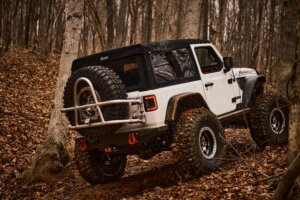
The short answer: it depends on the material, your climate, and how well you take care of your soft top. A soft top’s longevity starts with what it is made of. Entry-level vinyl offers solid protection and the most affordable path to open-air freedom, while premium twill delivers the best UV resistance, noise reduction, and long-term durability in the category.
Most Bestop soft tops are built with one of three primary materials:
| Material | Expected Lifespan | Notes |
|---|---|---|
| Vinyl (Black Diamond) | 3 to 5 years | Most affordable option, adequate UV resistance |
| Sailcloth | 5 to 7 years | Better UV and abrasion resistance, softer feel |
| Premium Twill | 7 to 10+ years | Best durability, UV resistance, quietest ride |
Bestop uses all three materials across its soft top lineup, so the right choice depends on how you drive, where you live, and how long you plan to keep your Jeep. If you want a more detailed side-by-side look at how these materials and top styles compare, Bestop’s soft top comparison page is a great starting point.
What Affects Your Soft Top’s Lifespan?
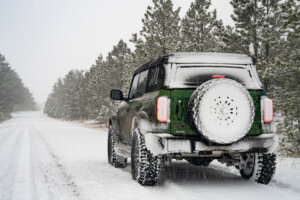
Every soft top faces the same basic contributing factors: sun, moisture, temperature swings, and everyday wear. Understanding what accelerates aging helps you take the right steps to slow it down.
Material Quality
Not all soft top fabrics are created equal. Premium materials from manufacturers like Bestop use multi-layer construction that makes for a higher quality fit, resists UV degradation, repels moisture more effectively, and holds color longer than single-layer alternatives. The difference between a bargain-brand top and one engineered to OEM specifications becomes obvious after the first year or two of real-world use.
Investing in a quality soft top up front typically means fewer replacements over the life of your Jeep. Browse Bestop’s full range of Jeep soft tops to see how material and construction vary across the lineup.
Climate and UV Exposure
The sun is the number one enemy of any soft top. Ultraviolet radiation breaks down fabric fibers over time, causing fading, stiffening, and eventual cracking. If you live in the Sun Belt or park outdoors daily, your top will age faster than one that spends most of its time in a garage.
Here is what to keep in mind by season:
- Summer heat: Accelerates fading and makes fabric brittle over time. Dark-colored tops absorb more heat and can deteriorate faster without UV protectant.
- Winter cold: Never fold or operate your soft top when temperatures drop below 60 degrees Fahrenheit. Cold fabric loses flexibility and can crack at fold points and seams.
- Humidity and rain: Persistent moisture promotes mold and mildew growth, especially if the top stays damp for extended periods without airflow.
Usage Patterns
How you use your soft top matters just as much as where you park it.
- Year-round outdoor exposure shortens a top’s useful life compared to garage storage, even in moderate climates.
- Frequent folding and unfolding creates wear at stress points, particularly at fold lines, along zipper tracks, and where fabric meets the frame.
- Trail driving introduces scratches, abrasion, and potential punctures from branches, brush, and trail debris.
None of this means you should baby your soft top. It is built for this. But understanding where wear happens helps you focus your maintenance where it counts.
Maintenance and Care
This is the single biggest factor you can actually control. A soft top that gets regular cleaning and protection will outlast a neglected one by years.
- Clean regularly: Wash your soft top with a dedicated soft top cleaner every 2 to 4 weeks during heavy use. This removes embedded dirt, pollen, and bird droppings before they can break down the fabric.
- Apply UV protectant: Every 4 to 6 months, apply a UV protectant formulated for your top’s specific material. This is the most effective way to slow fading and maintain fabric integrity.
- Do not ignore the windows: Vinyl windows need their own care routine to prevent yellowing and cloudiness.
- Storage matters: Most soft tops can be considered all season, permanent replacements for hard tops. However some drivers do choose to uninstall and reinstall their soft top seasonally. This practice does add additional wear and tear and introduces new potential hazards and risk to warranty coverage.
Bestop’s soft top cleaners and protectants are purpose-formulated for the specific fabrics and vinyl Bestop builds with, so they will not damage coatings or leave residue that accelerates wear.
For a more detailed maintenance walkthrough, check out Bestop’s soft top care guide.
7 Signs It’s Time to Replace Your Soft Top For Your Jeep or Ford Bronco
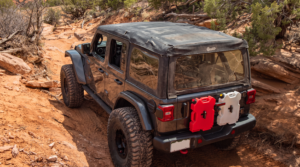
Even with great care, every soft top eventually reaches the end of its useful life. Here are the signs that tell you it is time.
- Fading and discoloration that will not respond to cleaning or protectant. When the color has changed permanently and cleaning products no longer restore it, the fabric’s UV-resistant coatings have broken down beyond recovery. This is usually the first visible sign of aging.
- Cracks, tears, or holes in the fabric. Pay special attention to corners, fold lines, and areas where the fabric wraps around the frame. Small tears grow quickly once the fabric’s structural integrity is compromised, especially at high-stress points.
- Window shrinkage, yellowing, or cloudiness. Vinyl windows degrade independently from the top fabric. Shrinkage can pull windows away from their frames, and yellowing reduces visibility. Once windows have significantly yellowed or warped, replacement is the only fix.
- Persistent leaks even after resealing seams and adjusting fit. A well-fitted soft top should keep you dry. If water is getting in despite proper sealing and correct installation, the fabric or its seams may have deteriorated past the point of repair.
- Mold or mildew that returns after thorough cleaning. Surface mold can usually be cleaned. But if mildew keeps coming back even after deep cleaning, it has penetrated the fabric layers. At that point, the top is compromised and replacement is the healthier, more practical option.
- Worn or failing zippers and hook-and-loop fasteners. When zippers stick, skip teeth, or separate, and when hook-and-loop strips no longer hold firmly, the top cannot seal properly. Zipper failure alone can make a top functionally unusable.
- The top no longer fits snugly. If you notice gaps at the frame, windshield header, or door surrounds that were not there before, the fabric has stretched or the seals have compressed beyond their limits. Gaps let in wind, water, and road noise, defeating the purpose of having a top at all.
If you are experiencing two or more of these signs, it is likely time to start shopping for a replacement rather than continuing to patch an aging top.
How to Make Your Soft Top Last Longer
The good news: a consistent care routine can add years to your soft top’s lifespan. Cleaner and protectant has been specifically tested and created to improve the longevity and look of your soft top. Here is what works.
- Wash with a dedicated soft top cleaner every 2 to 4 weeks during active use seasons. Household cleaners and dish soap can strip protective coatings and accelerate wear.
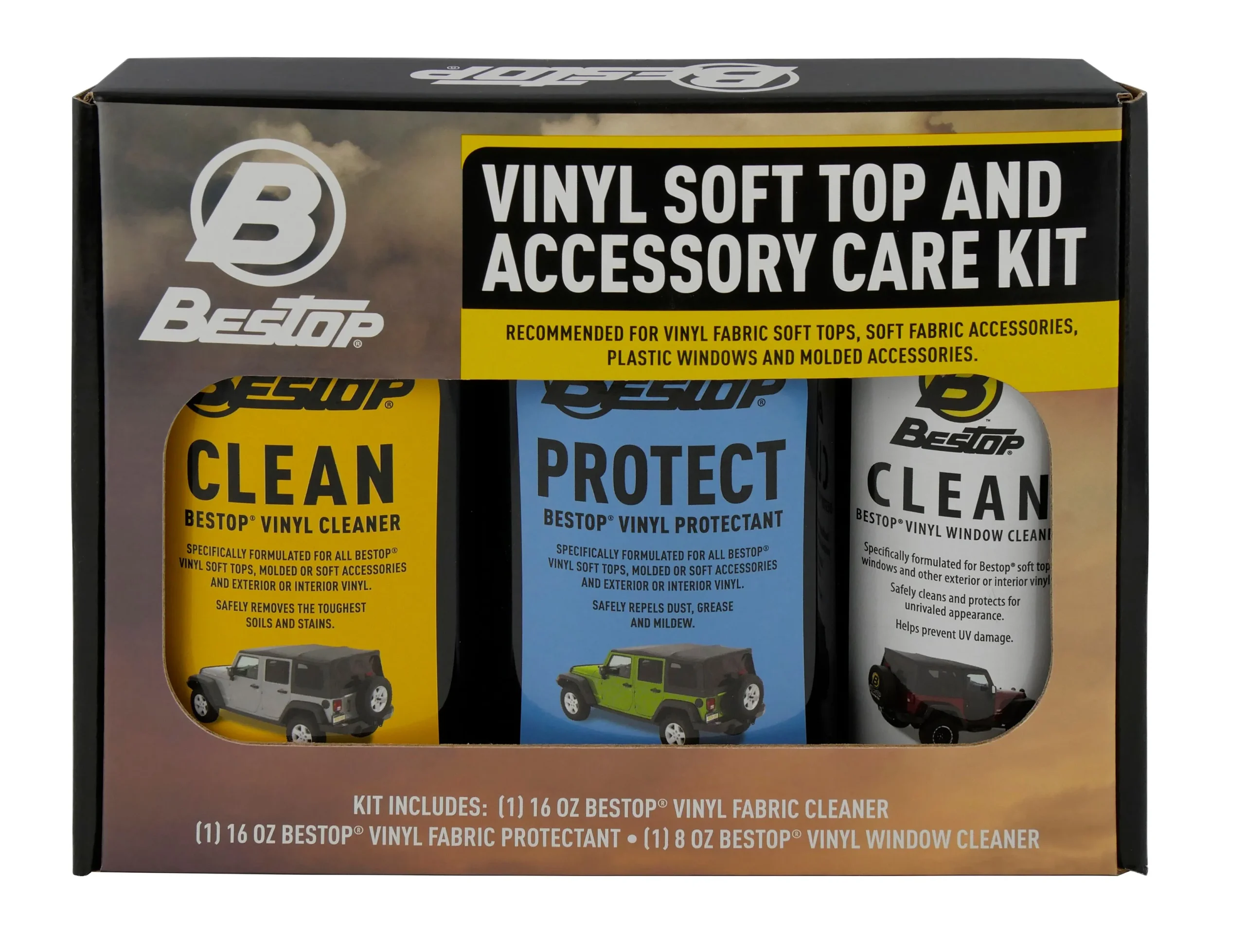
- Apply UV protectant every 4 to 6 months. Bestop Protectant is specifically formulated for Bestop fabrics, and using the right protectant is one of the most impactful things you can do for longevity. The Bestop Cleaner/Protectant Pack includes everything you need in one kit.
- Park in shade or use a car cover when possible. Reducing direct sun exposure between drives is free protection that adds up over months and years.
- Avoid folding the top below 60 degrees Fahrenheit. Cold vinyl and fabric lose flexibility and can crack at fold points. Wait for warmer conditions, or leave the top up during cold months.
- Lubricate zippers with a silicone-based lubricant a few times per year to prevent sticking, binding, and premature wear.
- Store the top properly if removing for the season. Roll rather than fold when possible, store in a cool and dry location, and avoid stacking heavy items on top of it.
For a visual walkthrough of proper cleaning and protection techniques, watch Bestop’s guide on soft top care:
Replacing Your Soft Top: Full System vs. Fabric Only
When it is time for a new top, you have two main paths, and the right one depends on the condition of your existing hardware.
Full replacement means a new frame, bows, and fabric. This is the way to go if your frame is bent, rusted, or damaged, or if you are switching to a completely different top style.
Fabric-only replacement is where Bestop’s Replace-A-Top comes in. If your existing OEM or Bestop frame and bows are still in good shape, Replace-A-Top gives you brand-new fabric, windows, and seals without buying a complete system. It is the most cost-effective path to a top that looks and performs like new. Check out Replace-A-Top to see options available, and browse the full selection of replacement soft tops to compare.
If you own a hardtop and have been curious about open-air driving without committing to a full soft top, the Sunrider for Hardtop is worth a look. It replaces your factory Freedom Panels with a soft panel that flips back in seconds, giving you instant open-air access with no removal, no storage, and no tools after a single install.
Whichever direction you go, use the YMM (Year/Make/Model) fitment tool on any Bestop product page to confirm the exact fit for your specific vehicle before purchasing.
Choosing the Right Replacement Soft Top for Your Jeep or Bronco
Bestop’s lineup covers every style of open-air driving, so finding the right fit comes down to how you want your Jeep to look, how you want to interact with your top, and what hardware you already have.
- Replace-A-Top: New fabric and windows that work with your existing OEM or Bestop hardware. The most affordable path to a fresh, leak-free top when your frame is still solid.
- Supertop family: The classic framed squareback design Bestop has built since 1954. The frame folds back and stays on the vehicle, giving you the fastest path from fully enclosed to completely topless. Available in NX, Glide, and Ultra variants.
- Trektop family: A modern frameless fastback silhouette with no visible frame bars over occupants, cleaner sightlines, and integrated Sunrider access on every variant. Available in NX, NX Glide, Pro Hybrid, and Ultra variants.
- Sunrider for Hardtop: Replaces factory Freedom Panels on JK, JL, Bronco, and Gladiator hardtops with a flip-back soft panel for everyday open-air freedom, no full soft top conversion required.
- eTop: The world’s only aftermarket powered soft top. One touch opens or closes it, with no latches, no panel removal, and no planning. Available for Jeep JL, JK, and Ford Bronco.
With this many options, the best way to narrow things down is to use the YMM fitment tool on Bestop’s site. It filters the lineup to show only the tops confirmed to fit your specific year, make, and model, so there are no surprises.
Check out the eTop to see Bestop’s flagship in action, or start with the soft top comparison page to explore how each style stacks up.
Your soft top is what makes open-air freedom possible on every drive, not just the ones you plan for. Whether you are extending the life of the top you have or choosing a replacement that matches how you actually drive, Bestop’s lineup has you covered. Explore the soft top comparison to find the right fit, or browse the full lineup to see every option available for your vehicle.
Frequently Asked Questions About Soft Top Lifespan
These are the most common questions Jeep or Bronco owners ask about soft top durability, replacement timing, and care.
How Long Does a Soft Top Last?
A standard vinyl soft top typically lasts 3 to 5 years with regular use. Premium soft tops made from sailcloth or twill fabric can last 5 to 10 years or longer with proper care, including regular cleaning and UV protectant application every 4 to 6 months.
What Are the Signs You Need to Replace Your Soft Top?
The most common signs include permanent fading or discoloration, cracks or tears in the fabric, window shrinkage or yellowing, persistent leaks that will not stop despite resealing, and mold that returns after cleaning. If you notice two or more of these, it is time to shop for a replacement.
Can You Repair a Soft Top Instead of Replacing It?
Minor tears and small holes can sometimes be patched with a fabric repair kit, and failing seals can be reseated. However, once UV damage has broken down the fabric coating, or once windows have significantly yellowed or shrunk, repair is no longer practical and full fabric replacement is the better option.
How Much Does It Cost to Replace a Soft Top?
Costs vary depending on the type of replacement. A fabric-only option like Bestop’s Replace-A-Top, which uses your existing hardware, typically starts around $215. A full soft top system with new hardware ranges from $700 to over $1,000 depending on the style and material.
Do You Need to Replace the Entire Soft Top System, or Just the Fabric?
If your frame, bows, and hardware are still in good condition, you can replace just the fabric and windows using a product like Bestop’s Replace-A-Top. This is the most cost-effective path to a top that looks and performs like new without buying a complete system.
How Do You Make a Soft Top Last Longer?
Regular maintenance is the most effective way to extend your soft top’s life. Wash it every 2 to 4 weeks with a dedicated soft top cleaner, apply UV protectant every 4 to 6 months, avoid folding the top below 60 degrees Fahrenheit, and park in shade when possible.
Is a Soft Top or Hard Top Better?
Each has advantages. Soft tops offer easier open-air access, lighter weight, and lower cost. Factory hard tops offer a durable, rigid, fixed roof structure, integrated glass windows, and a traditional factory-style look. Some owners will choose to switch between the two seasonally or use a Sunrider for Hardtop to get open-air access from their existing hardtop.
What Causes a Soft Top to Wear Out Faster?
The biggest factors are prolonged UV exposure, neglecting regular cleaning, operating or folding the top in cold temperatures, or using household cleaners instead of cleaner and protectant products formulated specifically for soft top materials. Climate, frequency of use, and storage habits also play significant roles.
Types of Jeep Soft Tops: The Complete Guide to Every Style
Key Takeaways
- There are several distinct types of Jeep soft tops, including full-enclosure tops, bikini tops, safari tops, Sunrider tops, and powered eTop options, each designed for a different open-air experience.
- Full-enclosure soft tops come in two main silhouettes: the classic squareback (Supertop) and the modern slantback fastback (Trektop), and your preference between the two is primarily a style decision.
- Bikini tops provide sun shade without full weather protection and are ideal for warm-weather, doors-off driving when you want maximum open-air freedom with minimal coverage.
- Bestop is the only aftermarket brand trusted as the OEM soft-top supplier to Jeep, meaning every top in the lineup is built to factory-level fit, sealing, and durability standards.
What Is a Jeep Soft Top?
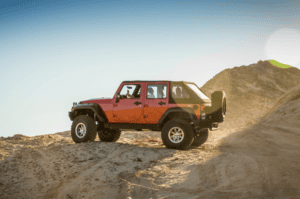
A Jeep soft top is a flexible, fabric-based roof system designed to give you open-air freedom while still offering protection from sun, rain, and wind when you need it. Unlike a rigid hardtop, a soft top can be folded, removed, or retracted, so switching between enclosed cruising and topless driving takes minutes instead of a full afternoon in the garage.
Understanding the types of Jeep soft tops available helps you match your top to the way you actually drive. Whether you spend weekends on trails with the doors off, commute daily and want one-touch convenience, or simply love that golden-hour cruise with the top peeled back, there is a soft top style built for the way you live.
Soft tops remain one of the most popular modifications for Jeep Wrangler, Gladiator, and Ford Bronco owners for good reason. They are lighter than hardtops, easier to install and remove, and generally more affordable. Most importantly, they turn open-air driving from a weekend event into an everyday possibility.
The range of Jeep soft top styles has expanded significantly over the years. Where early Jeeps had one basic canvas cover, today’s owners can choose from full-enclosure tops, partial-coverage bikini tops, safari canopies, retractable Sunrider panels, and even push-button powered tops. Each style occupies a distinct role in an owner’s setup, and many Jeep enthusiasts keep more than one on hand to match the season, the trip, or the mood. The sections below break down every major style so you can find the one (or two, or three) that fits your driving life.
Full-Enclosure Soft Tops
A full-enclosure soft top covers your Jeep from front to rear, providing complete weather protection with windows, doors, and a sealed roof. It is the closest a soft top gets to the protection of a hardtop while still letting you fold, slide, or remove panels to go topless whenever the mood strikes.
Full-enclosure tops come in two main silhouettes, and the choice between them is more about style and identity than features alone.
Squareback Soft Tops (Supertop)
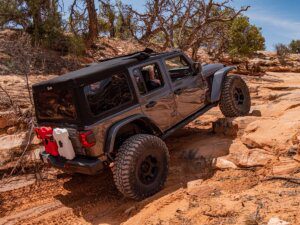
The squareback is the classic Jeep soft top profile, the shape most people picture when they think of a Wrangler with a fabric roof. It features a vertical rear window, a rigid folding frame, and a squared-off cargo area that maximizes rear headroom and storage space. Bestop’s Supertop Squareback is the direct descendant of the very first top the company built back in 1954, and it remains the standard every other Jeep soft top is measured against.
The Supertop family includes three variants. The NX offers zipper windows, a rollable rear window, and the broadest fitment in the lineup, including TJ models. The Glide removes zippers entirely with slide-out window panels and a full convertible fold. The Ultra adds patented Guide-Track retraction and Lift Assist for the smoothest open-air transition in the family.
What makes the squareback design stand out is speed: the rigid frame folds back and stays on the vehicle, so you can go from fully enclosed to completely topless in minutes with no removal, no storage bins, and no planning.
Slantback (Fastback) Soft Tops (Trektop)
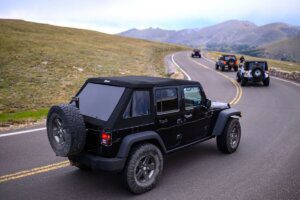
The slantback, also called a fastback, offers a modern silhouette that slopes from the windshield header toward the tailgate. There are no visible frame bars over occupants, which means cleaner sightlines and a sleeker, sportier look. Bestop’s Trektop Slantback family is the standard-bearer here, and every Trektop variant includes integrated Sunrider access as a built-in feature.
The Trektop family also includes multiple tiers. The NX is the entry point, a style-first top that must be removed to go fully topless. The NX Glide adds a full fold-down design and zipperless windows. The Pro Hybrid is in a category of its own, featuring hard rear glass for a true hardtop-alternative experience. The Ultra brings Guide-Track retraction and Lift Assist for one-touch convertibility.
The Trektop is the right call for drivers who care about how their Jeep looks as much as how it performs. If your first question is “what will this look like on my rig?” rather than “how fast can I get the top off?”, the fastback silhouette is probably your match.
Squareback vs. Slantback: How to Choose
| Feature | Squareback (Supertop) | Slantback (Trektop) |
| Silhouette | Classic vertical rear, upright profile | Modern fastback slope, sleek profile |
| Frame | Rigid folding frame stays on vehicle | Frameless over occupants |
| Rear Cargo Headroom | Maximum headroom and cargo access | Slightly reduced due to sloped design |
| Time to Topless | Minutes (frame folds back, no removal) | Varies by variant (NX requires removal) |
| Sunrider Access | Available on select variants | Integrated on every variant |
| Best For | Classic Jeep look, maximum cargo space, fastest topless conversion | Modern appearance, clean sightlines, style-first buyers |
Replacement Soft Tops vs. Complete Kits
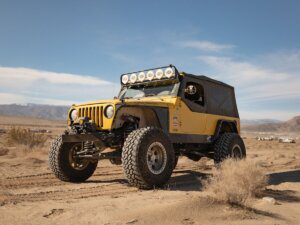
When it is time to refresh your soft top, you have two paths: replacing the fabric only or buying a complete kit that includes new hardware.
If your existing frame, bows, and mounting hardware are still in good shape, a replacement fabric skin is typically the more economical choice. You get fresh material, clear windows, and a renewed seal without replacing components that still work.
A complete kit makes sense when your hardware is worn, bent, or missing, when you are switching from one top style to another, or when you are installing a soft top on a Jeep that previously had a hardtop and lacks the necessary mounting hardware. Complete kits include everything you need for a full installation.
Not sure which route is right for your Jeep? Bestop’s soft top buyer’s guide walks through the decision in detail, and the soft top comparison chart can help you compare options side by side.
Bikini Tops
A Jeep bikini top is a partial-coverage canopy that shades the driver and front passenger without enclosing the vehicle. It is designed for warm-weather, open-air driving when you want sun protection overhead but still want to feel the wind, see the sky, and keep that doors-off freedom intact.
Bikini tops are not a substitute for a full soft top and should not be positioned that way. They shine on sunny days, weekend trail runs, and beach cruises where full weather protection is not the priority. Bestop offers three main bikini configurations, each with a different installation approach.
Header Bikini Tops
Header bikini tops mount to a header channel that runs across the top of the windshield frame. They require the header channel hardware to be installed, but once that channel is in place, the top clips on and off quickly. This configuration provides a secure, clean fit and supports extended coverage options that shade rear passengers as well.
Explore the full selection of Header Safari Bikini Tops to see what fits your Jeep.
Sun Bikini Tops
Sun bikini tops use a strap system that hooks into the factory header loops already built into your Jeep’s windshield frame. No extra hardware is needed, and they are compatible with your existing soft top, so you do not have to choose one or the other. When you want full coverage, your soft top goes back on. When you want sun-only shade, the Sun Bikini Top straps right in.
Strapless Bikini Tops
Strapless bikini tops are the simplest configuration available. They attach using the existing snaps on your Jeep’s windshield header and tub rails, so installation is fast, tool-free, and intuitive. If you want the easiest possible path to overhead shade, Strapless Safari Bikini Tops are the place to start.
Safari Tops
A Jeep safari top is an extended-coverage canopy that provides shade from the windshield header all the way to the rear of the vehicle, covering both front and rear passengers. Unlike a full soft top, a safari top leaves the sides open for maximum airflow and visibility while still blocking direct sun overhead.
The key distinction within safari-style coverage is between targa and safari configurations. A targa top covers the front occupants only, similar to a bikini top but typically with a more structured fit. A safari top extends that coverage rearward to shade the entire passenger area. Bestop’s Safari Bikini Top is a popular option that delivers front-to-rear shade with easy installation.
Safari tops are ideal for trail rides with a full crew, long summer drives, and any situation where you want overhead protection for everyone on board without closing off the sides.
Bikini Top vs. Full Soft Top: Which One Do You Need?
A Jeep bikini top and a full soft top serve fundamentally different purposes. A bikini top is a warm-weather shade solution for open-air driving, while a full soft top is an all-season enclosure that protects against rain, wind, cold, and trail debris. Most dedicated Jeep owners eventually own both.
| Feature | Bikini Top | Full Soft Top |
| Coverage | Overhead shade only, sides open | Full enclosure with windows and doors |
| Weather Protection | Sun protection, minimal rain coverage | Rain, wind, cold, and trail debris |
| Price Range | Lower investment | Higher investment |
| Installation Time | Minutes, often tool-free | 30 minutes to a few hours depending on variant |
| Best Use Case | Warm-weather cruising, doors-off days, trail rides | Year-round daily driving, all-season protection |
If you drive in a warm climate year-round and rarely encounter rain, a bikini top might be all you need for daily use. If you need your Jeep to serve as a daily driver through all four seasons, a full soft top is the foundation. And if you love both extremes, pairing a full soft top with a compatible bikini top gives you the best of both worlds.
Sunrider Tops
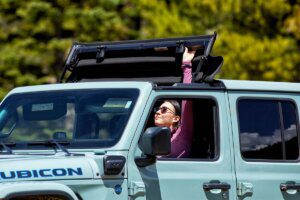
The Sunrider is a retractable front panel that flips open to let in sun and air, similar to a sunroof, without requiring you to remove or fold the entire top. It gives you a quick taste of open air for a morning commute or a drive through town, then flips closed just as easily when the weather changes.
Bestop offers two Sunrider configurations. The Sunrider for Hardtop replaces the front freedom panels on a factory hardtop with a retractable fabric panel, giving hardtop owners soft-top convenience without switching their entire roof. The Sunrider is also built into every Trektop variant and available on select Supertop models, where it functions as an integrated feature of the full soft top.
The Sunrider is worth considering alongside any full-enclosure top because it adds everyday flexibility that a fixed roof simply cannot match. Even if you rarely go fully topless, having the option to flip open a panel for fresh air on a nice afternoon makes the driving experience feel more connected.
Electric Soft Tops (eTop)
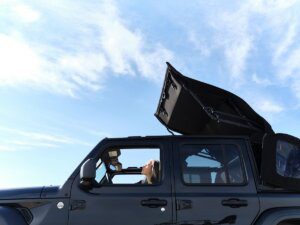
For drivers who want open-air freedom without any manual effort at all, Bestop’s eTop is in a category of its own. It is the world’s only aftermarket powered soft top, and it transforms your Jeep from enclosed to open air at the push of a button.
No panels to remove and store. No planning ahead for weather. The eTop is designed for everyday use, turning open-air driving from something you schedule into something that happens whenever the moment calls for it.
The eTop is a premium option that reflects Bestop’s 70 years of engineering expertise and OEM-level integration. It fits Jeep Wrangler JL and JK models as well as Ford Bronco, and it is built to the same factory-level fit and sealing standards that earned Bestop its role as Jeep’s OEM soft-top supplier. For warranty details, visit Bestop’s official warranty resources.
For a closer look at how a Bestop soft top transitions between fully enclosed, Sunrider open, Safari bikini, and fully convertible modes, watch this walkthrough:
How to Choose the Right Jeep Soft Top Style
With so many Jeep soft top styles available, choosing the right one comes down to how you drive, where you live, and what kind of open-air experience you want.
If you want all-season protection with a classic Jeep look, choose a Supertop squareback. The rigid frame folds quickly, cargo space stays maximized, and it is the most proven design in the lineup.
If you want a modern, sleek silhouette and care about aesthetics, choose a Trektop slantback. The frameless design and fastback profile turn heads, and integrated Sunrider access is standard on every variant.
If you want warm-weather shade with minimal hassle, choose a bikini top. Pick header-mount for the most secure fit, sun-style for no-hardware simplicity, or strapless for the fastest install.
If you want overhead shade for a full crew, choose a safari top. Front-to-rear coverage keeps everyone comfortable without closing off the sides.
If you want sunroof-style convenience without removing anything, choose a Sunrider. It flips open and closed in seconds and pairs with both hardtops and soft tops.
If you want push-button open-air freedom with zero manual effort, choose the eTop. It is the premium option for drivers who want every drive to feel effortless.
The Soft Top Wizard on Bestop’s website can help point you in the right direction, but to confirm the right fit for your specific Jeep, always use the Year/Make/Model fitment tool or contact Bestop’s customer service team.
Soft Top Materials: What to Look For
Sailcloth is the entry-tier fabric, a durable, vinyl-coated material that delivers dependable weather resistance at an accessible price point. It is a proven option that has protected Jeeps for decades.
Black Diamond is a step up, a heavier vinyl fabric with enhanced UV resistance and a refined grain pattern. It offers improved appearance and longevity over standard vinyl.
Premium Black Twill is the mid-tier fabric, a 30oz woven material with a rich, textile-like appearance and enhanced fade resistance. It looks and feels a step above vinyl while keeping care straightforward.
Ultra-Premium Twill is Bestop’s top-tier fabric, a 40oz woven material with the most premium finish and the highest durability in the lineup. It is the material used on the Ultra and flagship-tier tops.
Each fabric is engineered to fit Bestop’s exacting standards for UV protection, water resistance, and long-term durability. For a deeper comparison, explore Bestop’s material comparison page.
Find Your Perfect Soft Top
Open-air driving should feel like freedom, not like a compromise. Whether you are looking for all-season protection, warm-weather shade, or push-button convenience, there is a Bestop soft top designed for the way you drive. Explore the full Bestop soft top lineup to see every style, or browse the soft top buyer’s guide to find the right match for your Jeep.
Frequently Asked Questions About Jeep Soft Tops
Here are answers to the most common questions Jeep owners ask when choosing between different soft top styles.
What Are the Different Types of Jeep Soft Tops?
The main types of Jeep soft tops are full-enclosure tops (squareback and slantback), bikini tops (header, sun, and strapless styles), safari tops, Sunrider retractable panels, and electric soft tops. Each style offers a different balance of weather protection, open-air driving, and ease of installation.
What Is the Difference Between a Jeep Bikini Top and a Full Soft Top?
A full soft top completely encloses your Jeep with a fabric roof, sides, and rear window for all-weather protection. A bikini top covers only the overhead area, leaving the sides open for maximum airflow. Bikini tops are designed for warm-weather driving, while full soft tops work year-round.
What Is a Jeep Safari Top?
A Jeep safari top is an extended-length bikini top that covers both the front and rear seats. Unlike a standard targa-style bikini (which covers only the front occupants), a safari top stretches over the full length of the roll cage, providing sun and light rain protection for all passengers.
What Is the Best Jeep Soft Top?
The best Jeep soft top depends on your priorities. For all-weather protection, a full-enclosure top like the Supertop Squareback or Trektop Slantback is ideal. For open-air summer driving, a bikini or safari top provides sun coverage without enclosing the cabin. Consider your climate, driving habits, and budget when choosing.
Which Jeep Wrangler Has a Soft Top?
Most Jeep Wrangler trims are available with a factory soft top option, and aftermarket soft tops fit all modern Wrangler generations including the YJ, TJ, JK, and JL. The Jeep Gladiator also supports aftermarket soft tops and bikini tops designed for its extended cab and bed configuration.
What Is the Difference Between a Squareback and Slantback Soft Top?
A squareback soft top has a traditional vertical rear profile that mirrors the factory OEM design, maximizing rear cargo access. A slantback (or fastback) soft top has an angled rear roofline with a sleeker, sportier appearance. Slantback tops are typically frameless and can convert into a safari bikini by removing the side and rear windows.
What Is a Sunrider Top for Jeep?
A Sunrider is a retractable front panel built into certain Bestop soft tops or designed to replace the front panels on a factory hardtop. It flips back from the inside to create an instant open-air sunroof without removing the entire top, giving Jeep owners quick access to open-sky driving in seconds.
Can You Use a Bikini Top With a Hard Top or Soft Top Still Installed?
Sun Bikini tops are specifically designed to work with your existing hard top or soft top still in place. They strap into the factory windshield header loops and do not require a separate windshield channel. Header and strapless bikini tops require the factory top to be removed before installation.